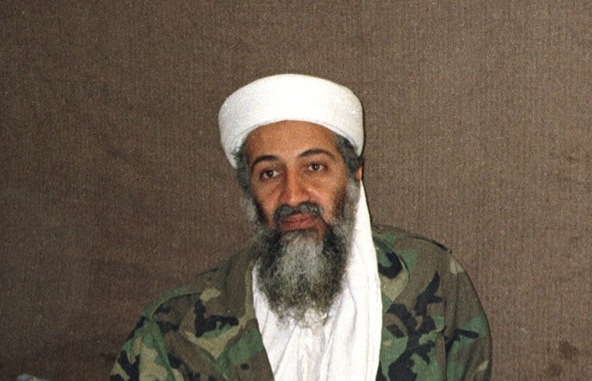
Osama bin Laden
Osama bin Mohammed bin Awad bin Laden was a Saudi-born militant and founder of al-Qaeda, the pan-Islamic militant organization responsible for the September 11 attacks on the United States.
Why Osama bin Laden Appears in the Documents
Osama bin Laden is mentioned in 78 documents within the Epstein file corpus, consisting of 36 articles, 31 legals, 11 emails, originating from the House Oversight Committee.
These documents include titles such as "Email chain on Ghislaine Maxwell, 9/11, and deep state conspiracies", "Email chain about Ghislaine Maxwell, Epstein, and deep-state/9/11 conspiracies", "Fw: The new iterations of Ghislaine Maxwell" among others. Osama bin Laden's name appears across these documents in various contexts. The document corpus contains a wide range of materials including media coverage, government records, and legal proceedings where many public figures are mentioned.
Disclaimer: Appearing in the Epstein document corpus does not imply wrongdoing, guilt, or any form of association with criminal activity. Many public figures are mentioned incidentally in these documents due to the broad scope of the released materials.
Documents (50)
Email chain on Ghislaine Maxwell, 9/11, and deep state conspiracies
The document is a sprawling, conspiratorial email chain that assembles unverified claims of a continuous “Deep State” operation linking government agencies, defense contractors (SAIC, Leidos, IBM, Tetra Tech), and influential families to surveillance, political manipulation, and sexual exploitation; it weaves together events from the Halloween Massacre era through 9/11 to Benghazi and the death of Justice Scalia, citing sources like Peter Dale Scott to portray covert intelligence ties, global contractor networks, bioterrorism concerns, and international partners as part of a supposed “New World Order.”
Source: House Oversight Committee
Email chain about Ghislaine Maxwell, Epstein, and deep-state/9/11 conspiracies
This document is a long, confidential email thread in which the author advances a conspiratorial narrative about a “Deep State” network spanning government agencies, defense contractors, and powerful families, weaving together discussions of the Halloween Massacre, pretexts for 9/11, covert operations and surveillance with alleged abuses such as child exploitation and cover-ups, and tying figures like Rumsfeld, Cheney, Epstein, Maxwell, Starr, and IBM executives to these claims; it cites books, articles, and FOIA-type references to bolster a view that terror, state power, and lucrative contracts are being used to control and profit from global events.
Source: House Oversight Committee
Fw: The new iterations of Ghislaine Maxwell
This high-urgency email chain presents a sprawling conspiracy narrative in which the author contends that a Deep State network—binding the CIA, FBI, Secret Service, DHS, and major contractors like SAIC, IBM, Leidos, Accenture, and Tetra Tech—has for decades orchestrated or enabled major political and security events, from the Halloween Massacre and 9/11 to Benghazi and pervasive surveillance, while tying in alleged corruption, child exploitation, and cover-ups involving figures such as Rumsfeld, Cheney, Epstein, Starr, and various corporate players. It weaves together references to The American Deep State, the 9/11 Commission Report, and alleged ties between government and private interests to argue that counterterrorism and bioterrorism are being used to advance a New World Order. The tone is accusatory and personal, linking historical events to alleged abuses, extensive surveillance, and systemic corruption across government and industry.
Source: House Oversight Committee
Appellants’ Consolidated Brief with Respect to Dismissals for Failure to State a Claim and Foreign Sovereign Immunity
This consolidated appellate brief argues that several district-court dismissals in the September 11th MDL were erroneous because plaintiffs—victims and others harmed by the 9/11 attacks—adequately plead that five defendants Al Rajhi Bank, SAMBA, DMI Trust, Saleh Abdullah Kamel, and Dallah al Baraka knowingly provided material support to al-Qaeda, and are thus liable under the Anti-Terrorism Act, the Alien Tort Statute, the Torture Victims Protection Act, and common-law theories; it catalogues an extensive evidentiary record tying these defendants to al-Qaeda through front charities (MWL, IIRO, IIRO, SJRC, Al Haramain, Muwafaq), global financing networks (NCB, Al Rajhi, Tadamon, Al Shamal), and the infamous Golden Chain of financiers, arguing that both primary and secondary ATA liability, as well as ATS and TVPA claims, are properly pled and actionable; it contends the district court applied a misguided heightened pleading standard for terrorism, misread the scope of the ATS and TVPA, and failed to draw reasonable inferences from the pleadings; it further argues that Doe v. Bin Laden overruled Terrorist Attacks III and authorizes jurisdiction under the FSIA noncommercial tort exception and/or the terrorism exception, requiring reversal and remand for jurisdictional discovery; the brief thus seeks to reinstate the asserted claims against these defendants and to remand for jurisdictional discovery consistent with current law.
Source: House Oversight Committee
Appellants’ Consolidated Brief with Respect to Dismissals for Failure to State a Claim and Foreign Sovereign Immunity
This consolidated appellate brief argues that several district-court dismissals in the September 11th MDL were erroneous because plaintiffs—victims and others harmed by the 9/11 attacks—adequately plead that five defendants Al Rajhi Bank, SAMBA, DMI Trust, Saleh Abdullah Kamel, and Dallah al Baraka knowingly provided material support to al-Qaeda, and are thus liable under the Anti-Terrorism Act, the Alien Tort Statute, the Torture Victims Protection Act, and common-law theories; it catalogues an extensive evidentiary record tying these defendants to al-Qaeda through front charities (MWL, IIRO, IIRO, SJRC, Al Haramain, Muwafaq), global financing networks (NCB, Al Rajhi, Tadamon, Al Shamal), and the infamous Golden Chain of financiers, arguing that both primary and secondary ATA liability, as well as ATS and TVPA claims, are properly pled and actionable; it contends the district court applied a misguided heightened pleading standard for terrorism, misread the scope of the ATS and TVPA, and failed to draw reasonable inferences from the pleadings; it further argues that Doe v. Bin Laden overruled Terrorist Attacks III and authorizes jurisdiction under the FSIA noncommercial tort exception and/or the terrorism exception, requiring reversal and remand for jurisdictional discovery; the brief thus seeks to reinstate the asserted claims against these defendants and to remand for jurisdictional discovery consistent with current law.
Source: House Oversight Committee
Appellants’ Consolidated Brief with Respect to Dismissals for Failure to State a Claim and Foreign Sovereign Immunity
This consolidated appellate brief argues that several district-court dismissals in the September 11th MDL were erroneous because plaintiffs—victims and others harmed by the 9/11 attacks—adequately plead that five defendants Al Rajhi Bank, SAMBA, DMI Trust, Saleh Abdullah Kamel, and Dallah al Baraka knowingly provided material support to al-Qaeda, and are thus liable under the Anti-Terrorism Act, the Alien Tort Statute, the Torture Victims Protection Act, and common-law theories; it catalogues an extensive evidentiary record tying these defendants to al-Qaeda through front charities (MWL, IIRO, IIRO, SJRC, Al Haramain, Muwafaq), global financing networks (NCB, Al Rajhi, Tadamon, Al Shamal), and the infamous Golden Chain of financiers, arguing that both primary and secondary ATA liability, as well as ATS and TVPA claims, are properly pled and actionable; it contends the district court applied a misguided heightened pleading standard for terrorism, misread the scope of the ATS and TVPA, and failed to draw reasonable inferences from the pleadings; it further argues that Doe v. Bin Laden overruled Terrorist Attacks III and authorizes jurisdiction under the FSIA noncommercial tort exception and/or the terrorism exception, requiring reversal and remand for jurisdictional discovery; the brief thus seeks to reinstate the asserted claims against these defendants and to remand for jurisdictional discovery consistent with current law.
Source: House Oversight Committee
Appellants’ Consolidated Brief with Respect to Dismissals for Failure to State a Claim and Foreign Sovereign Immunity
This consolidated appellate brief argues that several district-court dismissals in the September 11th MDL were erroneous because plaintiffs—victims and others harmed by the 9/11 attacks—adequately plead that five defendants Al Rajhi Bank, SAMBA, DMI Trust, Saleh Abdullah Kamel, and Dallah al Baraka knowingly provided material support to al-Qaeda, and are thus liable under the Anti-Terrorism Act, the Alien Tort Statute, the Torture Victims Protection Act, and common-law theories; it catalogues an extensive evidentiary record tying these defendants to al-Qaeda through front charities (MWL, IIRO, IIRO, SJRC, Al Haramain, Muwafaq), global financing networks (NCB, Al Rajhi, Tadamon, Al Shamal), and the infamous Golden Chain of financiers, arguing that both primary and secondary ATA liability, as well as ATS and TVPA claims, are properly pled and actionable; it contends the district court applied a misguided heightened pleading standard for terrorism, misread the scope of the ATS and TVPA, and failed to draw reasonable inferences from the pleadings; it further argues that Doe v. Bin Laden overruled Terrorist Attacks III and authorizes jurisdiction under the FSIA noncommercial tort exception and/or the terrorism exception, requiring reversal and remand for jurisdictional discovery; the brief thus seeks to reinstate the asserted claims against these defendants and to remand for jurisdictional discovery consistent with current law.
Source: House Oversight Committee
Appellants’ Consolidated Brief with Respect to Dismissals for Failure to State a Claim and Foreign Sovereign Immunity
This consolidated appellate brief argues that several district-court dismissals in the September 11th MDL were erroneous because plaintiffs—victims and others harmed by the 9/11 attacks—adequately plead that five defendants Al Rajhi Bank, SAMBA, DMI Trust, Saleh Abdullah Kamel, and Dallah al Baraka knowingly provided material support to al-Qaeda, and are thus liable under the Anti-Terrorism Act, the Alien Tort Statute, the Torture Victims Protection Act, and common-law theories; it catalogues an extensive evidentiary record tying these defendants to al-Qaeda through front charities (MWL, IIRO, IIRO, SJRC, Al Haramain, Muwafaq), global financing networks (NCB, Al Rajhi, Tadamon, Al Shamal), and the infamous Golden Chain of financiers, arguing that both primary and secondary ATA liability, as well as ATS and TVPA claims, are properly pled and actionable; it contends the district court applied a misguided heightened pleading standard for terrorism, misread the scope of the ATS and TVPA, and failed to draw reasonable inferences from the pleadings; it further argues that Doe v. Bin Laden overruled Terrorist Attacks III and authorizes jurisdiction under the FSIA noncommercial tort exception and/or the terrorism exception, requiring reversal and remand for jurisdictional discovery; the brief thus seeks to reinstate the asserted claims against these defendants and to remand for jurisdictional discovery consistent with current law.
Source: House Oversight Committee
Appellants’ Consolidated Brief with Respect to Dismissals for Failure to State a Claim and Foreign Sovereign Immunity
This consolidated appellate brief argues that several district-court dismissals in the September 11th MDL were erroneous because plaintiffs—victims and others harmed by the 9/11 attacks—adequately plead that five defendants Al Rajhi Bank, SAMBA, DMI Trust, Saleh Abdullah Kamel, and Dallah al Baraka knowingly provided material support to al-Qaeda, and are thus liable under the Anti-Terrorism Act, the Alien Tort Statute, the Torture Victims Protection Act, and common-law theories; it catalogues an extensive evidentiary record tying these defendants to al-Qaeda through front charities (MWL, IIRO, IIRO, SJRC, Al Haramain, Muwafaq), global financing networks (NCB, Al Rajhi, Tadamon, Al Shamal), and the infamous Golden Chain of financiers, arguing that both primary and secondary ATA liability, as well as ATS and TVPA claims, are properly pled and actionable; it contends the district court applied a misguided heightened pleading standard for terrorism, misread the scope of the ATS and TVPA, and failed to draw reasonable inferences from the pleadings; it further argues that Doe v. Bin Laden overruled Terrorist Attacks III and authorizes jurisdiction under the FSIA noncommercial tort exception and/or the terrorism exception, requiring reversal and remand for jurisdictional discovery; the brief thus seeks to reinstate the asserted claims against these defendants and to remand for jurisdictional discovery consistent with current law.
Source: House Oversight Committee
Appellants’ Consolidated Brief with Respect to Dismissals for Failure to State a Claim and Foreign Sovereign Immunity
This consolidated appellate brief argues that several district-court dismissals in the September 11th MDL were erroneous because plaintiffs—victims and others harmed by the 9/11 attacks—adequately plead that five defendants Al Rajhi Bank, SAMBA, DMI Trust, Saleh Abdullah Kamel, and Dallah al Baraka knowingly provided material support to al-Qaeda, and are thus liable under the Anti-Terrorism Act, the Alien Tort Statute, the Torture Victims Protection Act, and common-law theories; it catalogues an extensive evidentiary record tying these defendants to al-Qaeda through front charities (MWL, IIRO, IIRO, SJRC, Al Haramain, Muwafaq), global financing networks (NCB, Al Rajhi, Tadamon, Al Shamal), and the infamous Golden Chain of financiers, arguing that both primary and secondary ATA liability, as well as ATS and TVPA claims, are properly pled and actionable; it contends the district court applied a misguided heightened pleading standard for terrorism, misread the scope of the ATS and TVPA, and failed to draw reasonable inferences from the pleadings; it further argues that Doe v. Bin Laden overruled Terrorist Attacks III and authorizes jurisdiction under the FSIA noncommercial tort exception and/or the terrorism exception, requiring reversal and remand for jurisdictional discovery; the brief thus seeks to reinstate the asserted claims against these defendants and to remand for jurisdictional discovery consistent with current law.
Source: House Oversight Committee
Appellants’ Consolidated Brief with Respect to Dismissals for Failure to State a Claim and Foreign Sovereign Immunity
This consolidated appellate brief argues that several district-court dismissals in the September 11th MDL were erroneous because plaintiffs—victims and others harmed by the 9/11 attacks—adequately plead that five defendants Al Rajhi Bank, SAMBA, DMI Trust, Saleh Abdullah Kamel, and Dallah al Baraka knowingly provided material support to al-Qaeda, and are thus liable under the Anti-Terrorism Act, the Alien Tort Statute, the Torture Victims Protection Act, and common-law theories; it catalogues an extensive evidentiary record tying these defendants to al-Qaeda through front charities (MWL, IIRO, IIRO, SJRC, Al Haramain, Muwafaq), global financing networks (NCB, Al Rajhi, Tadamon, Al Shamal), and the infamous Golden Chain of financiers, arguing that both primary and secondary ATA liability, as well as ATS and TVPA claims, are properly pled and actionable; it contends the district court applied a misguided heightened pleading standard for terrorism, misread the scope of the ATS and TVPA, and failed to draw reasonable inferences from the pleadings; it further argues that Doe v. Bin Laden overruled Terrorist Attacks III and authorizes jurisdiction under the FSIA noncommercial tort exception and/or the terrorism exception, requiring reversal and remand for jurisdictional discovery; the brief thus seeks to reinstate the asserted claims against these defendants and to remand for jurisdictional discovery consistent with current law.
Source: House Oversight Committee
Appellants’ Consolidated Brief with Respect to Dismissals for Failure to State a Claim and Foreign Sovereign Immunity
This consolidated appellate brief argues that several district-court dismissals in the September 11th MDL were erroneous because plaintiffs—victims and others harmed by the 9/11 attacks—adequately plead that five defendants Al Rajhi Bank, SAMBA, DMI Trust, Saleh Abdullah Kamel, and Dallah al Baraka knowingly provided material support to al-Qaeda, and are thus liable under the Anti-Terrorism Act, the Alien Tort Statute, the Torture Victims Protection Act, and common-law theories; it catalogues an extensive evidentiary record tying these defendants to al-Qaeda through front charities (MWL, IIRO, IIRO, SJRC, Al Haramain, Muwafaq), global financing networks (NCB, Al Rajhi, Tadamon, Al Shamal), and the infamous Golden Chain of financiers, arguing that both primary and secondary ATA liability, as well as ATS and TVPA claims, are properly pled and actionable; it contends the district court applied a misguided heightened pleading standard for terrorism, misread the scope of the ATS and TVPA, and failed to draw reasonable inferences from the pleadings; it further argues that Doe v. Bin Laden overruled Terrorist Attacks III and authorizes jurisdiction under the FSIA noncommercial tort exception and/or the terrorism exception, requiring reversal and remand for jurisdictional discovery; the brief thus seeks to reinstate the asserted claims against these defendants and to remand for jurisdictional discovery consistent with current law.
Source: House Oversight Committee
Appellants’ Consolidated Brief with Respect to Dismissals for Failure to State a Claim and Foreign Sovereign Immunity
This consolidated appellate brief argues that several district-court dismissals in the September 11th MDL were erroneous because plaintiffs—victims and others harmed by the 9/11 attacks—adequately plead that five defendants Al Rajhi Bank, SAMBA, DMI Trust, Saleh Abdullah Kamel, and Dallah al Baraka knowingly provided material support to al-Qaeda, and are thus liable under the Anti-Terrorism Act, the Alien Tort Statute, the Torture Victims Protection Act, and common-law theories; it catalogues an extensive evidentiary record tying these defendants to al-Qaeda through front charities (MWL, IIRO, IIRO, SJRC, Al Haramain, Muwafaq), global financing networks (NCB, Al Rajhi, Tadamon, Al Shamal), and the infamous Golden Chain of financiers, arguing that both primary and secondary ATA liability, as well as ATS and TVPA claims, are properly pled and actionable; it contends the district court applied a misguided heightened pleading standard for terrorism, misread the scope of the ATS and TVPA, and failed to draw reasonable inferences from the pleadings; it further argues that Doe v. Bin Laden overruled Terrorist Attacks III and authorizes jurisdiction under the FSIA noncommercial tort exception and/or the terrorism exception, requiring reversal and remand for jurisdictional discovery; the brief thus seeks to reinstate the asserted claims against these defendants and to remand for jurisdictional discovery consistent with current law.
Source: House Oversight Committee
Appellants’ Consolidated Brief with Respect to Dismissals for Failure to State a Claim and Foreign Sovereign Immunity
This consolidated appellate brief argues that several district-court dismissals in the September 11th MDL were erroneous because plaintiffs—victims and others harmed by the 9/11 attacks—adequately plead that five defendants Al Rajhi Bank, SAMBA, DMI Trust, Saleh Abdullah Kamel, and Dallah al Baraka knowingly provided material support to al-Qaeda, and are thus liable under the Anti-Terrorism Act, the Alien Tort Statute, the Torture Victims Protection Act, and common-law theories; it catalogues an extensive evidentiary record tying these defendants to al-Qaeda through front charities (MWL, IIRO, IIRO, SJRC, Al Haramain, Muwafaq), global financing networks (NCB, Al Rajhi, Tadamon, Al Shamal), and the infamous Golden Chain of financiers, arguing that both primary and secondary ATA liability, as well as ATS and TVPA claims, are properly pled and actionable; it contends the district court applied a misguided heightened pleading standard for terrorism, misread the scope of the ATS and TVPA, and failed to draw reasonable inferences from the pleadings; it further argues that Doe v. Bin Laden overruled Terrorist Attacks III and authorizes jurisdiction under the FSIA noncommercial tort exception and/or the terrorism exception, requiring reversal and remand for jurisdictional discovery; the brief thus seeks to reinstate the asserted claims against these defendants and to remand for jurisdictional discovery consistent with current law.
Source: House Oversight Committee
Appellants’ Consolidated Brief with Respect to Dismissals for Failure to State a Claim and Foreign Sovereign Immunity
This consolidated appellate brief argues that several district-court dismissals in the September 11th MDL were erroneous because plaintiffs—victims and others harmed by the 9/11 attacks—adequately plead that five defendants Al Rajhi Bank, SAMBA, DMI Trust, Saleh Abdullah Kamel, and Dallah al Baraka knowingly provided material support to al-Qaeda, and are thus liable under the Anti-Terrorism Act, the Alien Tort Statute, the Torture Victims Protection Act, and common-law theories; it catalogues an extensive evidentiary record tying these defendants to al-Qaeda through front charities (MWL, IIRO, IIRO, SJRC, Al Haramain, Muwafaq), global financing networks (NCB, Al Rajhi, Tadamon, Al Shamal), and the infamous Golden Chain of financiers, arguing that both primary and secondary ATA liability, as well as ATS and TVPA claims, are properly pled and actionable; it contends the district court applied a misguided heightened pleading standard for terrorism, misread the scope of the ATS and TVPA, and failed to draw reasonable inferences from the pleadings; it further argues that Doe v. Bin Laden overruled Terrorist Attacks III and authorizes jurisdiction under the FSIA noncommercial tort exception and/or the terrorism exception, requiring reversal and remand for jurisdictional discovery; the brief thus seeks to reinstate the asserted claims against these defendants and to remand for jurisdictional discovery consistent with current law.
Source: House Oversight Committee
Appellants’ Consolidated Brief with Respect to Dismissals for Failure to State a Claim and Foreign Sovereign Immunity
This consolidated appellate brief argues that several district-court dismissals in the September 11th MDL were erroneous because plaintiffs—victims and others harmed by the 9/11 attacks—adequately plead that five defendants Al Rajhi Bank, SAMBA, DMI Trust, Saleh Abdullah Kamel, and Dallah al Baraka knowingly provided material support to al-Qaeda, and are thus liable under the Anti-Terrorism Act, the Alien Tort Statute, the Torture Victims Protection Act, and common-law theories; it catalogues an extensive evidentiary record tying these defendants to al-Qaeda through front charities (MWL, IIRO, IIRO, SJRC, Al Haramain, Muwafaq), global financing networks (NCB, Al Rajhi, Tadamon, Al Shamal), and the infamous Golden Chain of financiers, arguing that both primary and secondary ATA liability, as well as ATS and TVPA claims, are properly pled and actionable; it contends the district court applied a misguided heightened pleading standard for terrorism, misread the scope of the ATS and TVPA, and failed to draw reasonable inferences from the pleadings; it further argues that Doe v. Bin Laden overruled Terrorist Attacks III and authorizes jurisdiction under the FSIA noncommercial tort exception and/or the terrorism exception, requiring reversal and remand for jurisdictional discovery; the brief thus seeks to reinstate the asserted claims against these defendants and to remand for jurisdictional discovery consistent with current law.
Source: House Oversight Committee
Appellants’ Consolidated Brief with Respect to Dismissals for Failure to State a Claim and Foreign Sovereign Immunity
This consolidated appellate brief argues that several district-court dismissals in the September 11th MDL were erroneous because plaintiffs—victims and others harmed by the 9/11 attacks—adequately plead that five defendants Al Rajhi Bank, SAMBA, DMI Trust, Saleh Abdullah Kamel, and Dallah al Baraka knowingly provided material support to al-Qaeda, and are thus liable under the Anti-Terrorism Act, the Alien Tort Statute, the Torture Victims Protection Act, and common-law theories; it catalogues an extensive evidentiary record tying these defendants to al-Qaeda through front charities (MWL, IIRO, IIRO, SJRC, Al Haramain, Muwafaq), global financing networks (NCB, Al Rajhi, Tadamon, Al Shamal), and the infamous Golden Chain of financiers, arguing that both primary and secondary ATA liability, as well as ATS and TVPA claims, are properly pled and actionable; it contends the district court applied a misguided heightened pleading standard for terrorism, misread the scope of the ATS and TVPA, and failed to draw reasonable inferences from the pleadings; it further argues that Doe v. Bin Laden overruled Terrorist Attacks III and authorizes jurisdiction under the FSIA noncommercial tort exception and/or the terrorism exception, requiring reversal and remand for jurisdictional discovery; the brief thus seeks to reinstate the asserted claims against these defendants and to remand for jurisdictional discovery consistent with current law.
Source: House Oversight Committee
Appellants’ Consolidated Brief with Respect to Dismissals for Failure to State a Claim and Foreign Sovereign Immunity
This consolidated appellate brief argues that several district-court dismissals in the September 11th MDL were erroneous because plaintiffs—victims and others harmed by the 9/11 attacks—adequately plead that five defendants Al Rajhi Bank, SAMBA, DMI Trust, Saleh Abdullah Kamel, and Dallah al Baraka knowingly provided material support to al-Qaeda, and are thus liable under the Anti-Terrorism Act, the Alien Tort Statute, the Torture Victims Protection Act, and common-law theories; it catalogues an extensive evidentiary record tying these defendants to al-Qaeda through front charities (MWL, IIRO, IIRO, SJRC, Al Haramain, Muwafaq), global financing networks (NCB, Al Rajhi, Tadamon, Al Shamal), and the infamous Golden Chain of financiers, arguing that both primary and secondary ATA liability, as well as ATS and TVPA claims, are properly pled and actionable; it contends the district court applied a misguided heightened pleading standard for terrorism, misread the scope of the ATS and TVPA, and failed to draw reasonable inferences from the pleadings; it further argues that Doe v. Bin Laden overruled Terrorist Attacks III and authorizes jurisdiction under the FSIA noncommercial tort exception and/or the terrorism exception, requiring reversal and remand for jurisdictional discovery; the brief thus seeks to reinstate the asserted claims against these defendants and to remand for jurisdictional discovery consistent with current law.
Source: House Oversight Committee
Appellants’ Consolidated Brief with Respect to Dismissals for Failure to State a Claim and Foreign Sovereign Immunity
This consolidated appellate brief argues that several district-court dismissals in the September 11th MDL were erroneous because plaintiffs—victims and others harmed by the 9/11 attacks—adequately plead that five defendants Al Rajhi Bank, SAMBA, DMI Trust, Saleh Abdullah Kamel, and Dallah al Baraka knowingly provided material support to al-Qaeda, and are thus liable under the Anti-Terrorism Act, the Alien Tort Statute, the Torture Victims Protection Act, and common-law theories; it catalogues an extensive evidentiary record tying these defendants to al-Qaeda through front charities (MWL, IIRO, IIRO, SJRC, Al Haramain, Muwafaq), global financing networks (NCB, Al Rajhi, Tadamon, Al Shamal), and the infamous Golden Chain of financiers, arguing that both primary and secondary ATA liability, as well as ATS and TVPA claims, are properly pled and actionable; it contends the district court applied a misguided heightened pleading standard for terrorism, misread the scope of the ATS and TVPA, and failed to draw reasonable inferences from the pleadings; it further argues that Doe v. Bin Laden overruled Terrorist Attacks III and authorizes jurisdiction under the FSIA noncommercial tort exception and/or the terrorism exception, requiring reversal and remand for jurisdictional discovery; the brief thus seeks to reinstate the asserted claims against these defendants and to remand for jurisdictional discovery consistent with current law.
Source: House Oversight Committee
In re Terrorist Attacks on September 11, 2001 – FSIA Immunity and Personal Jurisdiction
The court in In re Terrorist Attacks on September 11, 2001 (SDNY, 2005) resolves a complex set of motions in a multi-district case by applying the Foreign Sovereign Immunities Act and various federal pleading standards to determine immunity, jurisdiction, and the viability of claims arising from alleged funding and support of al Qaeda by Saudi government entities and charitable organizations. It holds that the Saudi High Commission and two Saudi princes are immune for acts undertaken in their official capacities under the discretionary-function torts exception, and that the princes lack the necessary minimum contacts with the United States to support personal jurisdiction for those official acts. The court rejects most of the plaintiffs’ assertions that FSIA immunity is overcome by other theories, though it allows some personal-acts claims to proceed against certain individuals and organizations (notably Wa’el Jalaidan and IIRO) under ATA, ATCA, and, where appropriate, RICO, while dismissing or narrowing others for pleading deficiencies or lack of jurisdictional basis. Rabita Trust and several SAAR Network entities face dismissal or denial of relief without prejudice on various grounds, and the court postpones a final FSIA ruling against National Commercial Bank to pending personal-jurisdiction discovery. In short, the decision delineates the reach of state-immunity defenses in the 9/11-related suits, preserving a limited set of claims against specific individuals and entities while granting immunity to the Saudi state and its high-level officials for acts within official remit.
Source: House Oversight Committee
In re Terrorist Attacks on September 11, 2001 – FSIA Immunity and Personal Jurisdiction
The court in In re Terrorist Attacks on September 11, 2001 (SDNY, 2005) resolves a complex set of motions in a multi-district case by applying the Foreign Sovereign Immunities Act and various federal pleading standards to determine immunity, jurisdiction, and the viability of claims arising from alleged funding and support of al Qaeda by Saudi government entities and charitable organizations. It holds that the Saudi High Commission and two Saudi princes are immune for acts undertaken in their official capacities under the discretionary-function torts exception, and that the princes lack the necessary minimum contacts with the United States to support personal jurisdiction for those official acts. The court rejects most of the plaintiffs’ assertions that FSIA immunity is overcome by other theories, though it allows some personal-acts claims to proceed against certain individuals and organizations (notably Wa’el Jalaidan and IIRO) under ATA, ATCA, and, where appropriate, RICO, while dismissing or narrowing others for pleading deficiencies or lack of jurisdictional basis. Rabita Trust and several SAAR Network entities face dismissal or denial of relief without prejudice on various grounds, and the court postpones a final FSIA ruling against National Commercial Bank to pending personal-jurisdiction discovery. In short, the decision delineates the reach of state-immunity defenses in the 9/11-related suits, preserving a limited set of claims against specific individuals and entities while granting immunity to the Saudi state and its high-level officials for acts within official remit.
Source: House Oversight Committee
In re Terrorist Attacks on September 11, 2001 – FSIA Immunity and Personal Jurisdiction
The court in In re Terrorist Attacks on September 11, 2001 (SDNY, 2005) resolves a complex set of motions in a multi-district case by applying the Foreign Sovereign Immunities Act and various federal pleading standards to determine immunity, jurisdiction, and the viability of claims arising from alleged funding and support of al Qaeda by Saudi government entities and charitable organizations. It holds that the Saudi High Commission and two Saudi princes are immune for acts undertaken in their official capacities under the discretionary-function torts exception, and that the princes lack the necessary minimum contacts with the United States to support personal jurisdiction for those official acts. The court rejects most of the plaintiffs’ assertions that FSIA immunity is overcome by other theories, though it allows some personal-acts claims to proceed against certain individuals and organizations (notably Wa’el Jalaidan and IIRO) under ATA, ATCA, and, where appropriate, RICO, while dismissing or narrowing others for pleading deficiencies or lack of jurisdictional basis. Rabita Trust and several SAAR Network entities face dismissal or denial of relief without prejudice on various grounds, and the court postpones a final FSIA ruling against National Commercial Bank to pending personal-jurisdiction discovery. In short, the decision delineates the reach of state-immunity defenses in the 9/11-related suits, preserving a limited set of claims against specific individuals and entities while granting immunity to the Saudi state and its high-level officials for acts within official remit.
Source: House Oversight Committee
In re Terrorist Attacks on September 11, 2001 – FSIA Immunity and Personal Jurisdiction
The court in In re Terrorist Attacks on September 11, 2001 (SDNY, 2005) resolves a complex set of motions in a multi-district case by applying the Foreign Sovereign Immunities Act and various federal pleading standards to determine immunity, jurisdiction, and the viability of claims arising from alleged funding and support of al Qaeda by Saudi government entities and charitable organizations. It holds that the Saudi High Commission and two Saudi princes are immune for acts undertaken in their official capacities under the discretionary-function torts exception, and that the princes lack the necessary minimum contacts with the United States to support personal jurisdiction for those official acts. The court rejects most of the plaintiffs’ assertions that FSIA immunity is overcome by other theories, though it allows some personal-acts claims to proceed against certain individuals and organizations (notably Wa’el Jalaidan and IIRO) under ATA, ATCA, and, where appropriate, RICO, while dismissing or narrowing others for pleading deficiencies or lack of jurisdictional basis. Rabita Trust and several SAAR Network entities face dismissal or denial of relief without prejudice on various grounds, and the court postpones a final FSIA ruling against National Commercial Bank to pending personal-jurisdiction discovery. In short, the decision delineates the reach of state-immunity defenses in the 9/11-related suits, preserving a limited set of claims against specific individuals and entities while granting immunity to the Saudi state and its high-level officials for acts within official remit.
Source: House Oversight Committee
In re Terrorist Attacks on September 11, 2001 – FSIA Immunity and Personal Jurisdiction
The court in In re Terrorist Attacks on September 11, 2001 (SDNY, 2005) resolves a complex set of motions in a multi-district case by applying the Foreign Sovereign Immunities Act and various federal pleading standards to determine immunity, jurisdiction, and the viability of claims arising from alleged funding and support of al Qaeda by Saudi government entities and charitable organizations. It holds that the Saudi High Commission and two Saudi princes are immune for acts undertaken in their official capacities under the discretionary-function torts exception, and that the princes lack the necessary minimum contacts with the United States to support personal jurisdiction for those official acts. The court rejects most of the plaintiffs’ assertions that FSIA immunity is overcome by other theories, though it allows some personal-acts claims to proceed against certain individuals and organizations (notably Wa’el Jalaidan and IIRO) under ATA, ATCA, and, where appropriate, RICO, while dismissing or narrowing others for pleading deficiencies or lack of jurisdictional basis. Rabita Trust and several SAAR Network entities face dismissal or denial of relief without prejudice on various grounds, and the court postpones a final FSIA ruling against National Commercial Bank to pending personal-jurisdiction discovery. In short, the decision delineates the reach of state-immunity defenses in the 9/11-related suits, preserving a limited set of claims against specific individuals and entities while granting immunity to the Saudi state and its high-level officials for acts within official remit.
Source: House Oversight Committee
In re Terrorist Attacks on September 11, 2001 – FSIA Immunity and Personal Jurisdiction
The court in In re Terrorist Attacks on September 11, 2001 (SDNY, 2005) resolves a complex set of motions in a multi-district case by applying the Foreign Sovereign Immunities Act and various federal pleading standards to determine immunity, jurisdiction, and the viability of claims arising from alleged funding and support of al Qaeda by Saudi government entities and charitable organizations. It holds that the Saudi High Commission and two Saudi princes are immune for acts undertaken in their official capacities under the discretionary-function torts exception, and that the princes lack the necessary minimum contacts with the United States to support personal jurisdiction for those official acts. The court rejects most of the plaintiffs’ assertions that FSIA immunity is overcome by other theories, though it allows some personal-acts claims to proceed against certain individuals and organizations (notably Wa’el Jalaidan and IIRO) under ATA, ATCA, and, where appropriate, RICO, while dismissing or narrowing others for pleading deficiencies or lack of jurisdictional basis. Rabita Trust and several SAAR Network entities face dismissal or denial of relief without prejudice on various grounds, and the court postpones a final FSIA ruling against National Commercial Bank to pending personal-jurisdiction discovery. In short, the decision delineates the reach of state-immunity defenses in the 9/11-related suits, preserving a limited set of claims against specific individuals and entities while granting immunity to the Saudi state and its high-level officials for acts within official remit.
Source: House Oversight Committee
In re Terrorist Attacks on September 11, 2001 – FSIA Immunity and Personal Jurisdiction
The court in In re Terrorist Attacks on September 11, 2001 (SDNY, 2005) resolves a complex set of motions in a multi-district case by applying the Foreign Sovereign Immunities Act and various federal pleading standards to determine immunity, jurisdiction, and the viability of claims arising from alleged funding and support of al Qaeda by Saudi government entities and charitable organizations. It holds that the Saudi High Commission and two Saudi princes are immune for acts undertaken in their official capacities under the discretionary-function torts exception, and that the princes lack the necessary minimum contacts with the United States to support personal jurisdiction for those official acts. The court rejects most of the plaintiffs’ assertions that FSIA immunity is overcome by other theories, though it allows some personal-acts claims to proceed against certain individuals and organizations (notably Wa’el Jalaidan and IIRO) under ATA, ATCA, and, where appropriate, RICO, while dismissing or narrowing others for pleading deficiencies or lack of jurisdictional basis. Rabita Trust and several SAAR Network entities face dismissal or denial of relief without prejudice on various grounds, and the court postpones a final FSIA ruling against National Commercial Bank to pending personal-jurisdiction discovery. In short, the decision delineates the reach of state-immunity defenses in the 9/11-related suits, preserving a limited set of claims against specific individuals and entities while granting immunity to the Saudi state and its high-level officials for acts within official remit.
Source: House Oversight Committee
In re Terrorist Attacks on September 11, 2001 – FSIA Immunity and Personal Jurisdiction
The court in In re Terrorist Attacks on September 11, 2001 (SDNY, 2005) resolves a complex set of motions in a multi-district case by applying the Foreign Sovereign Immunities Act and various federal pleading standards to determine immunity, jurisdiction, and the viability of claims arising from alleged funding and support of al Qaeda by Saudi government entities and charitable organizations. It holds that the Saudi High Commission and two Saudi princes are immune for acts undertaken in their official capacities under the discretionary-function torts exception, and that the princes lack the necessary minimum contacts with the United States to support personal jurisdiction for those official acts. The court rejects most of the plaintiffs’ assertions that FSIA immunity is overcome by other theories, though it allows some personal-acts claims to proceed against certain individuals and organizations (notably Wa’el Jalaidan and IIRO) under ATA, ATCA, and, where appropriate, RICO, while dismissing or narrowing others for pleading deficiencies or lack of jurisdictional basis. Rabita Trust and several SAAR Network entities face dismissal or denial of relief without prejudice on various grounds, and the court postpones a final FSIA ruling against National Commercial Bank to pending personal-jurisdiction discovery. In short, the decision delineates the reach of state-immunity defenses in the 9/11-related suits, preserving a limited set of claims against specific individuals and entities while granting immunity to the Saudi state and its high-level officials for acts within official remit.
Source: House Oversight Committee
In re Terrorist Attacks on September 11, 2001 – FSIA Immunity and Personal Jurisdiction
The court in In re Terrorist Attacks on September 11, 2001 (SDNY, 2005) resolves a complex set of motions in a multi-district case by applying the Foreign Sovereign Immunities Act and various federal pleading standards to determine immunity, jurisdiction, and the viability of claims arising from alleged funding and support of al Qaeda by Saudi government entities and charitable organizations. It holds that the Saudi High Commission and two Saudi princes are immune for acts undertaken in their official capacities under the discretionary-function torts exception, and that the princes lack the necessary minimum contacts with the United States to support personal jurisdiction for those official acts. The court rejects most of the plaintiffs’ assertions that FSIA immunity is overcome by other theories, though it allows some personal-acts claims to proceed against certain individuals and organizations (notably Wa’el Jalaidan and IIRO) under ATA, ATCA, and, where appropriate, RICO, while dismissing or narrowing others for pleading deficiencies or lack of jurisdictional basis. Rabita Trust and several SAAR Network entities face dismissal or denial of relief without prejudice on various grounds, and the court postpones a final FSIA ruling against National Commercial Bank to pending personal-jurisdiction discovery. In short, the decision delineates the reach of state-immunity defenses in the 9/11-related suits, preserving a limited set of claims against specific individuals and entities while granting immunity to the Saudi state and its high-level officials for acts within official remit.
Source: House Oversight Committee
Epst_9780451494566_2p_all_r1.z.indd
Source: House Oversight Committee
DeMilked - 30 Ordinary Photos With Amazing Backstories
This DeMilked digest highlights how everyday photos can carry extraordinary meaning, featuring a gallery of 30 ordinary pictures with powerful backstories—from wartime heroism and historic rescues to intimate moments of loss and triumph—alongside stories about a Chinese makeup artist who transforms herself into iconic figures, a prodigious 16-year-old Serbian artist, and a humorous series pairing ordinary Slavic people with look-alike celebrities.
Source: House Oversight Committee
FedMap
This SDNY decision addresses whether hundreds of survivors, family members, and insurers may sue al Qaeda, its supporters, state sponsors, and related entities for the September 11 attacks under the FSIA, ATCA, TVPA, RICO and related claims, and how jurisdiction should be tested in a mass tort context. The court applies the Foreign Sovereign Immunities Act at the threshold, holding that foreign states and their instrumentalities are presumptively immune and that only specific FSIA exceptions—primarily the torts and commercial activities provisions, or state sponsorship provisions—can defeat immunity; in the instant actions the court largely grants the defendants’ motions to dismiss on FSIA and personal-jurisdiction grounds, including dismissals of claims against Prince Sultan, Prince Turki, the Kingdom of Saudi Arabia, and other Saudi individuals and institutions in many capacities. The court also concludes that limitations on jurisdictional discovery are appropriate and that limited discovery is warranted only where status as an instrumentality (for banks like NCB and the Public Investment Fund) or other jurisdictional facts could alter immunity or personal-jurisdiction outcomes; accordingly, it denies without prejudice several such motions pending discovery, and it permits discovery against certain defendants (notably NCB, the SB Group, and SAAR Network) to determine instrumentality status, ownership, or presence in the United States. The ruling rejects a broad mass-torts due-process standard and requires a prima facie showing of personal involvement or sufficient minimum contacts, often finding that several defendants lacked the necessary direct participation or foreseeably directed conduct in the United States. In addition, the court addresses the plaintiffs’ RICO, ATCA, TVPA and related claims, dismissing many counts for lack of proximate causation, insufficient concerted-action allegations, or failure to state a claim, while allowing some claims to proceed only after jurisdictional discovery or against specific defendants. A separate Vermont case, Lawrence Agee v. Grunert, M.D., et al., is also summarized, in which the court grants in part and denies in part summary judgment on defamation and related state and federal claims, finds some reporting of alleged misconduct to be privileged, and resolves issues under the ADA and employee status.
Source: House Oversight Committee
FedMap
This SDNY decision addresses whether hundreds of survivors, family members, and insurers may sue al Qaeda, its supporters, state sponsors, and related entities for the September 11 attacks under the FSIA, ATCA, TVPA, RICO and related claims, and how jurisdiction should be tested in a mass tort context. The court applies the Foreign Sovereign Immunities Act at the threshold, holding that foreign states and their instrumentalities are presumptively immune and that only specific FSIA exceptions—primarily the torts and commercial activities provisions, or state sponsorship provisions—can defeat immunity; in the instant actions the court largely grants the defendants’ motions to dismiss on FSIA and personal-jurisdiction grounds, including dismissals of claims against Prince Sultan, Prince Turki, the Kingdom of Saudi Arabia, and other Saudi individuals and institutions in many capacities. The court also concludes that limitations on jurisdictional discovery are appropriate and that limited discovery is warranted only where status as an instrumentality (for banks like NCB and the Public Investment Fund) or other jurisdictional facts could alter immunity or personal-jurisdiction outcomes; accordingly, it denies without prejudice several such motions pending discovery, and it permits discovery against certain defendants (notably NCB, the SB Group, and SAAR Network) to determine instrumentality status, ownership, or presence in the United States. The ruling rejects a broad mass-torts due-process standard and requires a prima facie showing of personal involvement or sufficient minimum contacts, often finding that several defendants lacked the necessary direct participation or foreseeably directed conduct in the United States. In addition, the court addresses the plaintiffs’ RICO, ATCA, TVPA and related claims, dismissing many counts for lack of proximate causation, insufficient concerted-action allegations, or failure to state a claim, while allowing some claims to proceed only after jurisdictional discovery or against specific defendants. A separate Vermont case, Lawrence Agee v. Grunert, M.D., et al., is also summarized, in which the court grants in part and denies in part summary judgment on defamation and related state and federal claims, finds some reporting of alleged misconduct to be privileged, and resolves issues under the ADA and employee status.
Source: House Oversight Committee
FedMap
This SDNY decision addresses whether hundreds of survivors, family members, and insurers may sue al Qaeda, its supporters, state sponsors, and related entities for the September 11 attacks under the FSIA, ATCA, TVPA, RICO and related claims, and how jurisdiction should be tested in a mass tort context. The court applies the Foreign Sovereign Immunities Act at the threshold, holding that foreign states and their instrumentalities are presumptively immune and that only specific FSIA exceptions—primarily the torts and commercial activities provisions, or state sponsorship provisions—can defeat immunity; in the instant actions the court largely grants the defendants’ motions to dismiss on FSIA and personal-jurisdiction grounds, including dismissals of claims against Prince Sultan, Prince Turki, the Kingdom of Saudi Arabia, and other Saudi individuals and institutions in many capacities. The court also concludes that limitations on jurisdictional discovery are appropriate and that limited discovery is warranted only where status as an instrumentality (for banks like NCB and the Public Investment Fund) or other jurisdictional facts could alter immunity or personal-jurisdiction outcomes; accordingly, it denies without prejudice several such motions pending discovery, and it permits discovery against certain defendants (notably NCB, the SB Group, and SAAR Network) to determine instrumentality status, ownership, or presence in the United States. The ruling rejects a broad mass-torts due-process standard and requires a prima facie showing of personal involvement or sufficient minimum contacts, often finding that several defendants lacked the necessary direct participation or foreseeably directed conduct in the United States. In addition, the court addresses the plaintiffs’ RICO, ATCA, TVPA and related claims, dismissing many counts for lack of proximate causation, insufficient concerted-action allegations, or failure to state a claim, while allowing some claims to proceed only after jurisdictional discovery or against specific defendants. A separate Vermont case, Lawrence Agee v. Grunert, M.D., et al., is also summarized, in which the court grants in part and denies in part summary judgment on defamation and related state and federal claims, finds some reporting of alleged misconduct to be privileged, and resolves issues under the ADA and employee status.
Source: House Oversight Committee
FedMap
This SDNY decision addresses whether hundreds of survivors, family members, and insurers may sue al Qaeda, its supporters, state sponsors, and related entities for the September 11 attacks under the FSIA, ATCA, TVPA, RICO and related claims, and how jurisdiction should be tested in a mass tort context. The court applies the Foreign Sovereign Immunities Act at the threshold, holding that foreign states and their instrumentalities are presumptively immune and that only specific FSIA exceptions—primarily the torts and commercial activities provisions, or state sponsorship provisions—can defeat immunity; in the instant actions the court largely grants the defendants’ motions to dismiss on FSIA and personal-jurisdiction grounds, including dismissals of claims against Prince Sultan, Prince Turki, the Kingdom of Saudi Arabia, and other Saudi individuals and institutions in many capacities. The court also concludes that limitations on jurisdictional discovery are appropriate and that limited discovery is warranted only where status as an instrumentality (for banks like NCB and the Public Investment Fund) or other jurisdictional facts could alter immunity or personal-jurisdiction outcomes; accordingly, it denies without prejudice several such motions pending discovery, and it permits discovery against certain defendants (notably NCB, the SB Group, and SAAR Network) to determine instrumentality status, ownership, or presence in the United States. The ruling rejects a broad mass-torts due-process standard and requires a prima facie showing of personal involvement or sufficient minimum contacts, often finding that several defendants lacked the necessary direct participation or foreseeably directed conduct in the United States. In addition, the court addresses the plaintiffs’ RICO, ATCA, TVPA and related claims, dismissing many counts for lack of proximate causation, insufficient concerted-action allegations, or failure to state a claim, while allowing some claims to proceed only after jurisdictional discovery or against specific defendants. A separate Vermont case, Lawrence Agee v. Grunert, M.D., et al., is also summarized, in which the court grants in part and denies in part summary judgment on defamation and related state and federal claims, finds some reporting of alleged misconduct to be privileged, and resolves issues under the ADA and employee status.
Source: House Oversight Committee
FedMap
This SDNY decision addresses whether hundreds of survivors, family members, and insurers may sue al Qaeda, its supporters, state sponsors, and related entities for the September 11 attacks under the FSIA, ATCA, TVPA, RICO and related claims, and how jurisdiction should be tested in a mass tort context. The court applies the Foreign Sovereign Immunities Act at the threshold, holding that foreign states and their instrumentalities are presumptively immune and that only specific FSIA exceptions—primarily the torts and commercial activities provisions, or state sponsorship provisions—can defeat immunity; in the instant actions the court largely grants the defendants’ motions to dismiss on FSIA and personal-jurisdiction grounds, including dismissals of claims against Prince Sultan, Prince Turki, the Kingdom of Saudi Arabia, and other Saudi individuals and institutions in many capacities. The court also concludes that limitations on jurisdictional discovery are appropriate and that limited discovery is warranted only where status as an instrumentality (for banks like NCB and the Public Investment Fund) or other jurisdictional facts could alter immunity or personal-jurisdiction outcomes; accordingly, it denies without prejudice several such motions pending discovery, and it permits discovery against certain defendants (notably NCB, the SB Group, and SAAR Network) to determine instrumentality status, ownership, or presence in the United States. The ruling rejects a broad mass-torts due-process standard and requires a prima facie showing of personal involvement or sufficient minimum contacts, often finding that several defendants lacked the necessary direct participation or foreseeably directed conduct in the United States. In addition, the court addresses the plaintiffs’ RICO, ATCA, TVPA and related claims, dismissing many counts for lack of proximate causation, insufficient concerted-action allegations, or failure to state a claim, while allowing some claims to proceed only after jurisdictional discovery or against specific defendants. A separate Vermont case, Lawrence Agee v. Grunert, M.D., et al., is also summarized, in which the court grants in part and denies in part summary judgment on defamation and related state and federal claims, finds some reporting of alleged misconduct to be privileged, and resolves issues under the ADA and employee status.
Source: House Oversight Committee
FedMap
This SDNY decision addresses whether hundreds of survivors, family members, and insurers may sue al Qaeda, its supporters, state sponsors, and related entities for the September 11 attacks under the FSIA, ATCA, TVPA, RICO and related claims, and how jurisdiction should be tested in a mass tort context. The court applies the Foreign Sovereign Immunities Act at the threshold, holding that foreign states and their instrumentalities are presumptively immune and that only specific FSIA exceptions—primarily the torts and commercial activities provisions, or state sponsorship provisions—can defeat immunity; in the instant actions the court largely grants the defendants’ motions to dismiss on FSIA and personal-jurisdiction grounds, including dismissals of claims against Prince Sultan, Prince Turki, the Kingdom of Saudi Arabia, and other Saudi individuals and institutions in many capacities. The court also concludes that limitations on jurisdictional discovery are appropriate and that limited discovery is warranted only where status as an instrumentality (for banks like NCB and the Public Investment Fund) or other jurisdictional facts could alter immunity or personal-jurisdiction outcomes; accordingly, it denies without prejudice several such motions pending discovery, and it permits discovery against certain defendants (notably NCB, the SB Group, and SAAR Network) to determine instrumentality status, ownership, or presence in the United States. The ruling rejects a broad mass-torts due-process standard and requires a prima facie showing of personal involvement or sufficient minimum contacts, often finding that several defendants lacked the necessary direct participation or foreseeably directed conduct in the United States. In addition, the court addresses the plaintiffs’ RICO, ATCA, TVPA and related claims, dismissing many counts for lack of proximate causation, insufficient concerted-action allegations, or failure to state a claim, while allowing some claims to proceed only after jurisdictional discovery or against specific defendants. A separate Vermont case, Lawrence Agee v. Grunert, M.D., et al., is also summarized, in which the court grants in part and denies in part summary judgment on defamation and related state and federal claims, finds some reporting of alleged misconduct to be privileged, and resolves issues under the ADA and employee status.
Source: House Oversight Committee
Alan Dershowitz: Takes The Stand—An Autobiography
Source: House Oversight Committee
Geopolitical Articles Digest – August 2011
This six-article bundle from August 2011 surveys how leadership psychology, international intervention, and long-running regional conflicts shape the Middle East and U.S. policy: Scientific American analyzes Muammar Qadhafi’s possible detachment from reality and narcissism; The Financial Times argues that Libya intervention proved the sceptics wrong and offers hard-won lessons; Foreign Policy reports on Sinai’s Bedouin-led unrest and its impact on post-Mubarak Egypt; The National Interest critiques Obama’s foreign policy and lays out looming strategic choices involving Pakistan, China, and Russia; The New York Times reviews Dick Cheney’s memoir and his take on Syria and other thorny issues; and Ma’an News Agency provides a historical overview of Palestine and the statehood question, including UN pathways and international law.
Source: House Oversight Committee
Geopolitical Articles Digest – August 2011
This six-article bundle from August 2011 surveys how leadership psychology, international intervention, and long-running regional conflicts shape the Middle East and U.S. policy: Scientific American analyzes Muammar Qadhafi’s possible detachment from reality and narcissism; The Financial Times argues that Libya intervention proved the sceptics wrong and offers hard-won lessons; Foreign Policy reports on Sinai’s Bedouin-led unrest and its impact on post-Mubarak Egypt; The National Interest critiques Obama’s foreign policy and lays out looming strategic choices involving Pakistan, China, and Russia; The New York Times reviews Dick Cheney’s memoir and his take on Syria and other thorny issues; and Ma’an News Agency provides a historical overview of Palestine and the statehood question, including UN pathways and international law.
Source: House Oversight Committee
Compilation of Middle East and Global Security Commentary (Aug 2011)
This collection gathers seven 2011-08 opinion and analysis pieces from major outlets that examine the seismic upheavals in the Middle East and their global implications. It tracks debates over Obama’s foreign-policy approach, the logic and divisions surrounding Palestinian statehood, Syria’s stubborn regime, and Libya’s endgame as a lens for broader regional reform and the risks of external intervention. It also highlights the dangers posed by Syria’s chemical weapons amid potential regime collapse, and the enduring, evolving threat of al-Qaeda despite setbacks, all through voices that stress multilateral action, shifting regional power balances, and the perils of overreaching Western involvement.
Source: House Oversight Committee
Compilation of Middle East and Global Security Commentary (Aug 2011)
This collection gathers seven 2011-08 opinion and analysis pieces from major outlets that examine the seismic upheavals in the Middle East and their global implications. It tracks debates over Obama’s foreign-policy approach, the logic and divisions surrounding Palestinian statehood, Syria’s stubborn regime, and Libya’s endgame as a lens for broader regional reform and the risks of external intervention. It also highlights the dangers posed by Syria’s chemical weapons amid potential regime collapse, and the enduring, evolving threat of al-Qaeda despite setbacks, all through voices that stress multilateral action, shifting regional power balances, and the perils of overreaching Western involvement.
Source: House Oversight Committee
Compilation of Middle East and Global Security Commentary (Aug 2011)
This collection gathers seven 2011-08 opinion and analysis pieces from major outlets that examine the seismic upheavals in the Middle East and their global implications. It tracks debates over Obama’s foreign-policy approach, the logic and divisions surrounding Palestinian statehood, Syria’s stubborn regime, and Libya’s endgame as a lens for broader regional reform and the risks of external intervention. It also highlights the dangers posed by Syria’s chemical weapons amid potential regime collapse, and the enduring, evolving threat of al-Qaeda despite setbacks, all through voices that stress multilateral action, shifting regional power balances, and the perils of overreaching Western involvement.
Source: House Oversight Committee
Compilation of Middle East and Global Security Commentary (Aug 2011)
This collection gathers seven 2011-08 opinion and analysis pieces from major outlets that examine the seismic upheavals in the Middle East and their global implications. It tracks debates over Obama’s foreign-policy approach, the logic and divisions surrounding Palestinian statehood, Syria’s stubborn regime, and Libya’s endgame as a lens for broader regional reform and the risks of external intervention. It also highlights the dangers posed by Syria’s chemical weapons amid potential regime collapse, and the enduring, evolving threat of al-Qaeda despite setbacks, all through voices that stress multilateral action, shifting regional power balances, and the perils of overreaching Western involvement.
Source: House Oversight Committee
Compilation of Middle East and Global Security Commentary (Aug 2011)
This collection gathers seven 2011-08 opinion and analysis pieces from major outlets that examine the seismic upheavals in the Middle East and their global implications. It tracks debates over Obama’s foreign-policy approach, the logic and divisions surrounding Palestinian statehood, Syria’s stubborn regime, and Libya’s endgame as a lens for broader regional reform and the risks of external intervention. It also highlights the dangers posed by Syria’s chemical weapons amid potential regime collapse, and the enduring, evolving threat of al-Qaeda despite setbacks, all through voices that stress multilateral action, shifting regional power balances, and the perils of overreaching Western involvement.
Source: House Oversight Committee
Policy analysis digest: State of the Union and Middle East coverage
This document is a curated snapshot of 2013 analyses from major outlets that trace Barack Obama’s emerging second-term agenda and the era’s volatile Middle East dynamics. It juxtaposes domestic imperatives—deficit reduction, entitlement reform, education, jobs, and tax reform—with the political realities of sequestration and a pragmatic approach to growth and the minimum wage. It also surveys foreign policy through a cautious lens: Afghanistan withdrawal, diplomacy with Iran, a restrained stance on Syria, and the complex politics surrounding Israel and Palestine, including Hezbollah’s hybrid identity. Interwoven is a case study in regional power games, exemplified by Rawabi, a privately funded Palestinian city in the West Bank backed by Qatar that tests sovereignty, economics, and cross-border cooperation amid a stalled peace process.
Source: House Oversight Committee
UN Marmara report and Middle East policy (Sept 2011)
This 2011 cross-section captures a period of rapid realignment in Middle East politics, pairing sharp critiques of the UN’s Mavi Marmara report and Turkey’s cooling of ties with Israel with coverage of Palestinian moves toward UN statehood and Arab League diplomacy, alongside reflections on how 9/11 and the Arab Spring have reshaped Arab perceptions of and relations with the United States. Together, the pieces suggest a region moving away from rigid blocs toward more fluid leadership and grassroots change, with Turkey and Sunni currents poised to challenge established actors, while Washington’s influence remains contested and dependent on credible, strategically aligned engagement with local realities.
Source: House Oversight Committee
UN Marmara report and Middle East policy (Sept 2011)
This 2011 cross-section captures a period of rapid realignment in Middle East politics, pairing sharp critiques of the UN’s Mavi Marmara report and Turkey’s cooling of ties with Israel with coverage of Palestinian moves toward UN statehood and Arab League diplomacy, alongside reflections on how 9/11 and the Arab Spring have reshaped Arab perceptions of and relations with the United States. Together, the pieces suggest a region moving away from rigid blocs toward more fluid leadership and grassroots change, with Turkey and Sunni currents poised to challenge established actors, while Washington’s influence remains contested and dependent on credible, strategically aligned engagement with local realities.
Source: House Oversight Committee
UN Marmara report and Middle East policy (Sept 2011)
This 2011 cross-section captures a period of rapid realignment in Middle East politics, pairing sharp critiques of the UN’s Mavi Marmara report and Turkey’s cooling of ties with Israel with coverage of Palestinian moves toward UN statehood and Arab League diplomacy, alongside reflections on how 9/11 and the Arab Spring have reshaped Arab perceptions of and relations with the United States. Together, the pieces suggest a region moving away from rigid blocs toward more fluid leadership and grassroots change, with Turkey and Sunni currents poised to challenge established actors, while Washington’s influence remains contested and dependent on credible, strategically aligned engagement with local realities.
Source: House Oversight Committee
UN Marmara report and Middle East policy (Sept 2011)
This 2011 cross-section captures a period of rapid realignment in Middle East politics, pairing sharp critiques of the UN’s Mavi Marmara report and Turkey’s cooling of ties with Israel with coverage of Palestinian moves toward UN statehood and Arab League diplomacy, alongside reflections on how 9/11 and the Arab Spring have reshaped Arab perceptions of and relations with the United States. Together, the pieces suggest a region moving away from rigid blocs toward more fluid leadership and grassroots change, with Turkey and Sunni currents poised to challenge established actors, while Washington’s influence remains contested and dependent on credible, strategically aligned engagement with local realities.
Source: House Oversight Committee
Collection of opinion articles on Netanyahu and the Israeli-Palestinian conflict (2011)
These seven opinion pieces from May 2011 present a wide-ranging debate over Israel, Palestine, and the path to peace: Fareed Zakaria argues that Netanyahu’s insistence on shifting away from land-for-peace weakens Israel and undercuts its future, while NYT reporters describe how Obama’s Israel policy has become a wedge issue in the 2012 race; Daniel Byman cautions against conflating Hamas with al Qaeda and urges engaging with a pragmatic Hamas as part of a peace process; Jeffrey Goldberg contends that Palestinians may have time on their side and that Israel needs a bold peace vision; Peter Beinart highlights a rising Palestinian nonviolent movement seeking rights and statehood, even if two-state realism wanes; Asharq Al-Awsat reports internal Hamas tensions but insists on unity in practice; and Edward Glick reflects on the enduring reality of war and deterrence in a nuclear-tinged world.
Source: House Oversight Committee