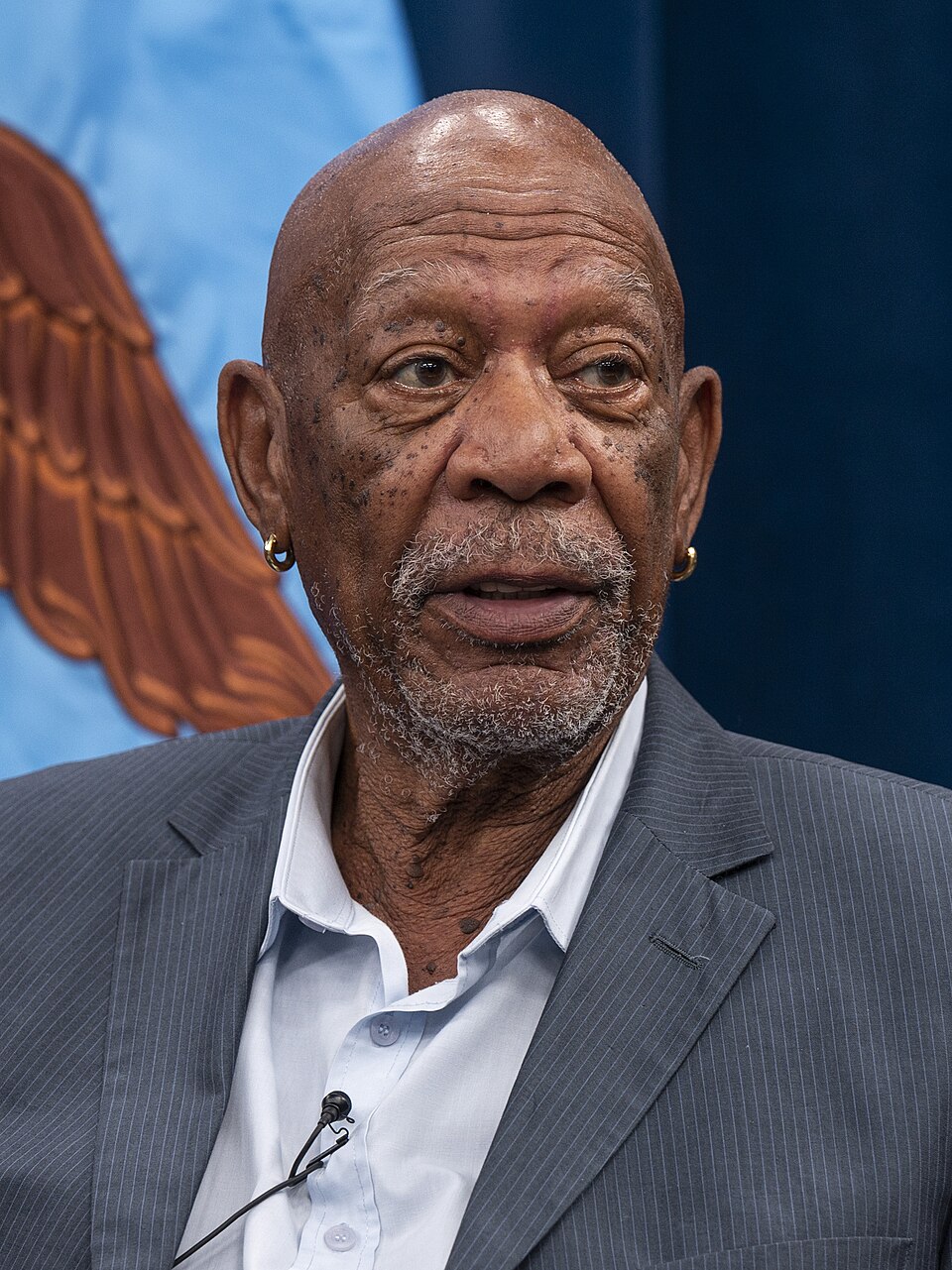
Morgan Freeman
Morgan Freeman is an American actor, producer, and narrator. In a career spanning six decades, he has received numerous accolades, including an Academy Award and a Golden Globe Award, as well as a nomination for a Grammy Award and a Tony Award.
Why Morgan Freeman Appears in the Documents
Morgan Freeman is mentioned in 2 documents within the Epstein file corpus, consisting of 2 articles, originating from the House Oversight Committee.
These appearances are in: "The Greatest Dirty Joke Ever Told", "The Greatest Dirty Joke Ever Told". Based on the document summaries, these mentions appear to be incidental — Morgan Freeman's name comes up in the context of broader discussions rather than in direct connection to Jeffrey Epstein or his activities.
Disclaimer: Appearing in the Epstein document corpus does not imply wrongdoing, guilt, or any form of association with criminal activity. Many public figures are mentioned incidentally in these documents due to the broad scope of the released materials.
Documents (2)
The Greatest Dirty Joke Ever Told
Frank Rich argues that the trauma of 9/11 intensified a cultural fight over freedom of expression in America, celebrating Gilbert Gottfried’s infamous Aristocrats routine at the Friars Club roast as a moment of shock therapy that helped a grieving city begin to live again. He uses the documentary The Aristocrats to show how comedians across generations push boundaries, even as their material unsettles power and propriety. Rich then critiques a rising decency police—embodied by Ted Stevens’s threats to regulate language, the censorship surrounding Deadwood, and bipartisan political correctness—that seeks to rewrite American history and culture to fit narrow agendas. He argues that vulgarity and frontier frankness are part of the nation’s birthright, and that suppressing them threatens the very essence of American freedom.
Source: House Oversight Committee
The Greatest Dirty Joke Ever Told
Frank Rich argues that the trauma of 9/11 intensified a cultural fight over freedom of expression in America, celebrating Gilbert Gottfried’s infamous Aristocrats routine at the Friars Club roast as a moment of shock therapy that helped a grieving city begin to live again. He uses the documentary The Aristocrats to show how comedians across generations push boundaries, even as their material unsettles power and propriety. Rich then critiques a rising decency police—embodied by Ted Stevens’s threats to regulate language, the censorship surrounding Deadwood, and bipartisan political correctness—that seeks to rewrite American history and culture to fit narrow agendas. He argues that vulgarity and frontier frankness are part of the nation’s birthright, and that suppressing them threatens the very essence of American freedom.
Source: House Oversight Committee