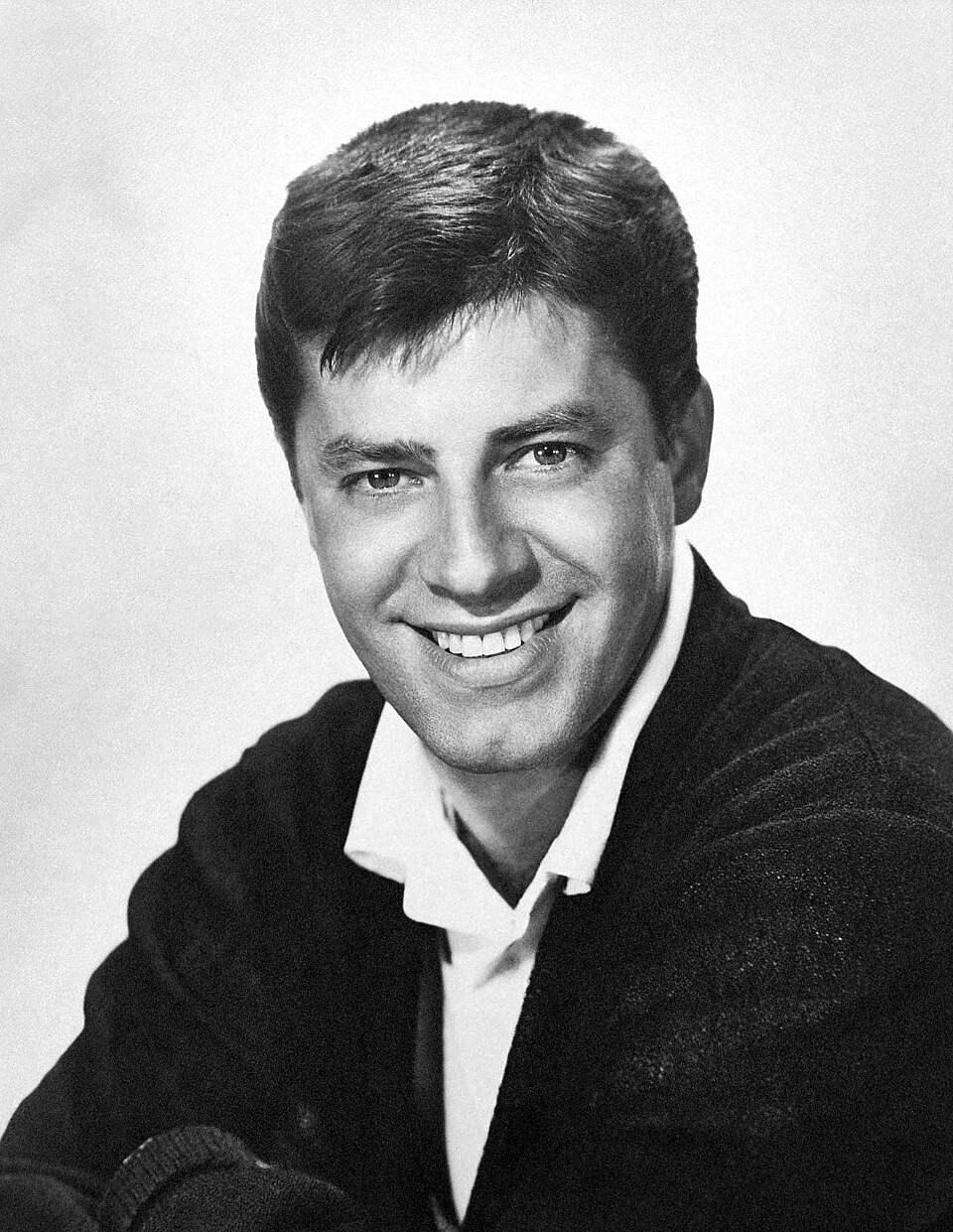
Jerry Lewis
Jerry Lewis was an American comedian, actor, singer, filmmaker and humanitarian. Across his seven-decade career, he is regarded as one of the greatest comedians of the 20th century, by his nickname - the "King of Comedy".
Why Jerry Lewis Appears in the Documents
Jerry Lewis is mentioned in 4 documents within the Epstein file corpus, consisting of 3 articles, 1 education, originating from the House Oversight Committee.
These documents include titles such as "The Greatest Dirty Joke Ever Told", "Peggy Siegal’s Oscar Diary", "Microsoft Word - NautilusEducationTextSets-1.docx". Many of these appearances are in entertainment industry coverage and media articles that mention numerous public figures. Jerry Lewis's inclusion in these documents reflects their public profile rather than any specific connection to Epstein.
Disclaimer: Appearing in the Epstein document corpus does not imply wrongdoing, guilt, or any form of association with criminal activity. Many public figures are mentioned incidentally in these documents due to the broad scope of the released materials.
Documents (4)
The Greatest Dirty Joke Ever Told
Frank Rich argues that the trauma of 9/11 intensified a cultural fight over freedom of expression in America, celebrating Gilbert Gottfried’s infamous Aristocrats routine at the Friars Club roast as a moment of shock therapy that helped a grieving city begin to live again. He uses the documentary The Aristocrats to show how comedians across generations push boundaries, even as their material unsettles power and propriety. Rich then critiques a rising decency police—embodied by Ted Stevens’s threats to regulate language, the censorship surrounding Deadwood, and bipartisan political correctness—that seeks to rewrite American history and culture to fit narrow agendas. He argues that vulgarity and frontier frankness are part of the nation’s birthright, and that suppressing them threatens the very essence of American freedom.
Source: House Oversight Committee
The Greatest Dirty Joke Ever Told
Frank Rich argues that the trauma of 9/11 intensified a cultural fight over freedom of expression in America, celebrating Gilbert Gottfried’s infamous Aristocrats routine at the Friars Club roast as a moment of shock therapy that helped a grieving city begin to live again. He uses the documentary The Aristocrats to show how comedians across generations push boundaries, even as their material unsettles power and propriety. Rich then critiques a rising decency police—embodied by Ted Stevens’s threats to regulate language, the censorship surrounding Deadwood, and bipartisan political correctness—that seeks to rewrite American history and culture to fit narrow agendas. He argues that vulgarity and frontier frankness are part of the nation’s birthright, and that suppressing them threatens the very essence of American freedom.
Source: House Oversight Committee
Peggy Siegal’s Oscar Diary
Peggy Siegal’s Oscar Diary is a vivid, insider’s chronicle of the 2012 Oscars season, weaving behind-the-scenes campaigning, red-carpet glamour, and the social machinery of awards week into a narrative of how a Best Picture winner is forged—highlighting 12 Years a Slave’s emotional campaign and Steve McQueen’s historic triumph, Gravity’s technical triumph and seven trophies, and the casting of Lupita Nyong’o, Cate Blanchett, Jared Leto, and Matthew McConaughey as defining stars of the year. It reveals the craft of targeting a precise emotion to move a voting bloc, the force of power players like Harvey Weinstein and Brad Pitt, and the nonstop orbit of exclusive dinners, sponsor-driven events, and fashion moments that color the race. Interwoven are Siegal’s personal moments—an eye infection, travel, and candid observations on industry rituals—culminating in a reflection on the intense pride in American cinema and a forward glance to Cannes.
Source: House Oversight Committee
Microsoft Word - NautilusEducationTextSets-1.docx
NAUTILUS Education Text Sets is a beta resource that pairs award-winning Nautilus science articles with teacher-friendly guides to boost science literacy by weaving narrative science with core concepts across physics, chemistry, biology, and genetics. The kit presents three themed groups—Astronomy & Space Travel (Roadmap to Alpha Centauri), Chemistry & Fuels (You Are Made of Waste; Frack ’er Up), and Genetics & Human Health (Their Giant Steps to a Cure; An Unlikely Cure Signals Hope for Cancer)—each including lesson plans, vocabulary, reading questions, discussion prompts, activities, and multimedia pointers, and aligned to U.S. Next Generation and Common Core standards (with global applicability). It also invites partnerships to further develop this innovative, cross-disciplinary approach to teaching science.
Source: House Oversight Committee