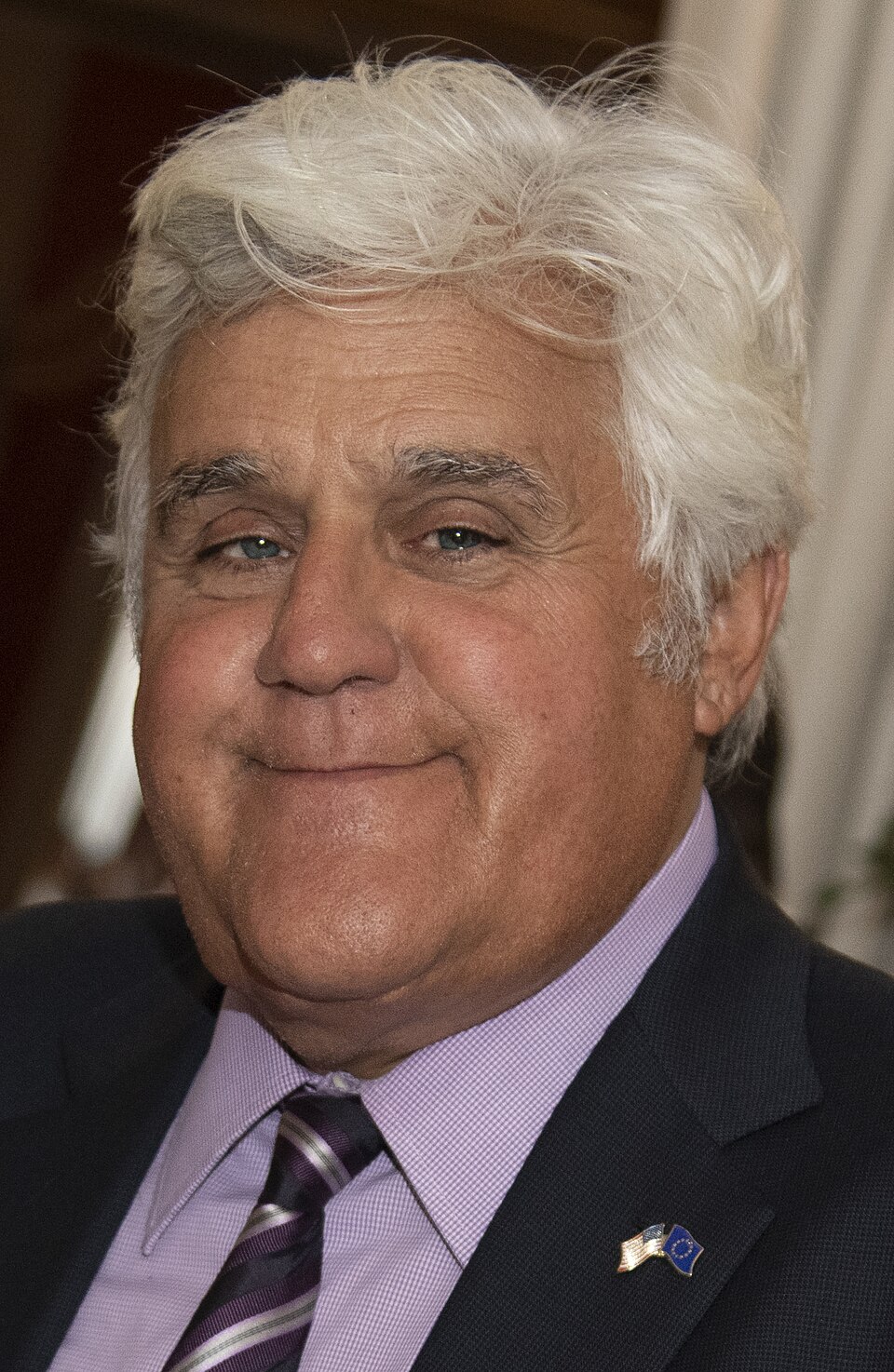
Jay Leno
James Douglas Muir Leno is an American television host, comedian, and writer. After doing stand-up comedy for years, Leno was chosen in 1992 to replace Johnny Carson as the host of NBC's The Tonight Show; Leno hosted The Tonight Show until September 2009 when Conan O'Brien took over as host and Leno started a primetime talk show, The Jay Leno Show, which aired weeknights at 10:00 p.m.
Why Jay Leno Appears in the Documents
Jay Leno is mentioned in 2 documents within the Epstein file corpus, consisting of 2 articles, originating from the House Oversight Committee.
These appearances are in: "Are Rape Jokes Funny?", "Are Rape Jokes Funny?". Based on the document summaries, these mentions appear to be incidental — Jay Leno's name comes up in the context of broader discussions rather than in direct connection to Jeffrey Epstein or his activities.
Disclaimer: Appearing in the Epstein document corpus does not imply wrongdoing, guilt, or any form of association with criminal activity. Many public figures are mentioned incidentally in these documents due to the broad scope of the released materials.
Documents (2)
Are Rape Jokes Funny?
Are Rape Jokes Funny? is a provocative meditation on the ethics and politics of humor about sexual violence, recounting the author’s past “rape-in” joke aimed at anti-choice legislators and the feminist critique that she eventually reframed as empathetic editing rather than censorship. It canvasses a wave of 2012 controversies—Daniel Tosh, Sarah Silverman, Amy Schumer and others—showing how comedians test the line between dangerous edge and social critique while survivors and critics push back against the normalization of violence. Against this backdrop, the piece argues that free speech can illuminate hypocrisy and injustice when contextualized and self-critical, rather than celebrated without consequence, and it uses political rhetoric from Akin, Mourdock, Romney, and Obama to illustrate how misogyny and reproductive politics shape public discourse. It ends with a wry reflection on the era’s absurdity and the enduring struggle to balance humor, harm, and political meaning.
Source: House Oversight Committee
Are Rape Jokes Funny?
Are Rape Jokes Funny? is a provocative meditation on the ethics and politics of humor about sexual violence, recounting the author’s past “rape-in” joke aimed at anti-choice legislators and the feminist critique that she eventually reframed as empathetic editing rather than censorship. It canvasses a wave of 2012 controversies—Daniel Tosh, Sarah Silverman, Amy Schumer and others—showing how comedians test the line between dangerous edge and social critique while survivors and critics push back against the normalization of violence. Against this backdrop, the piece argues that free speech can illuminate hypocrisy and injustice when contextualized and self-critical, rather than celebrated without consequence, and it uses political rhetoric from Akin, Mourdock, Romney, and Obama to illustrate how misogyny and reproductive politics shape public discourse. It ends with a wry reflection on the era’s absurdity and the enduring struggle to balance humor, harm, and political meaning.
Source: House Oversight Committee