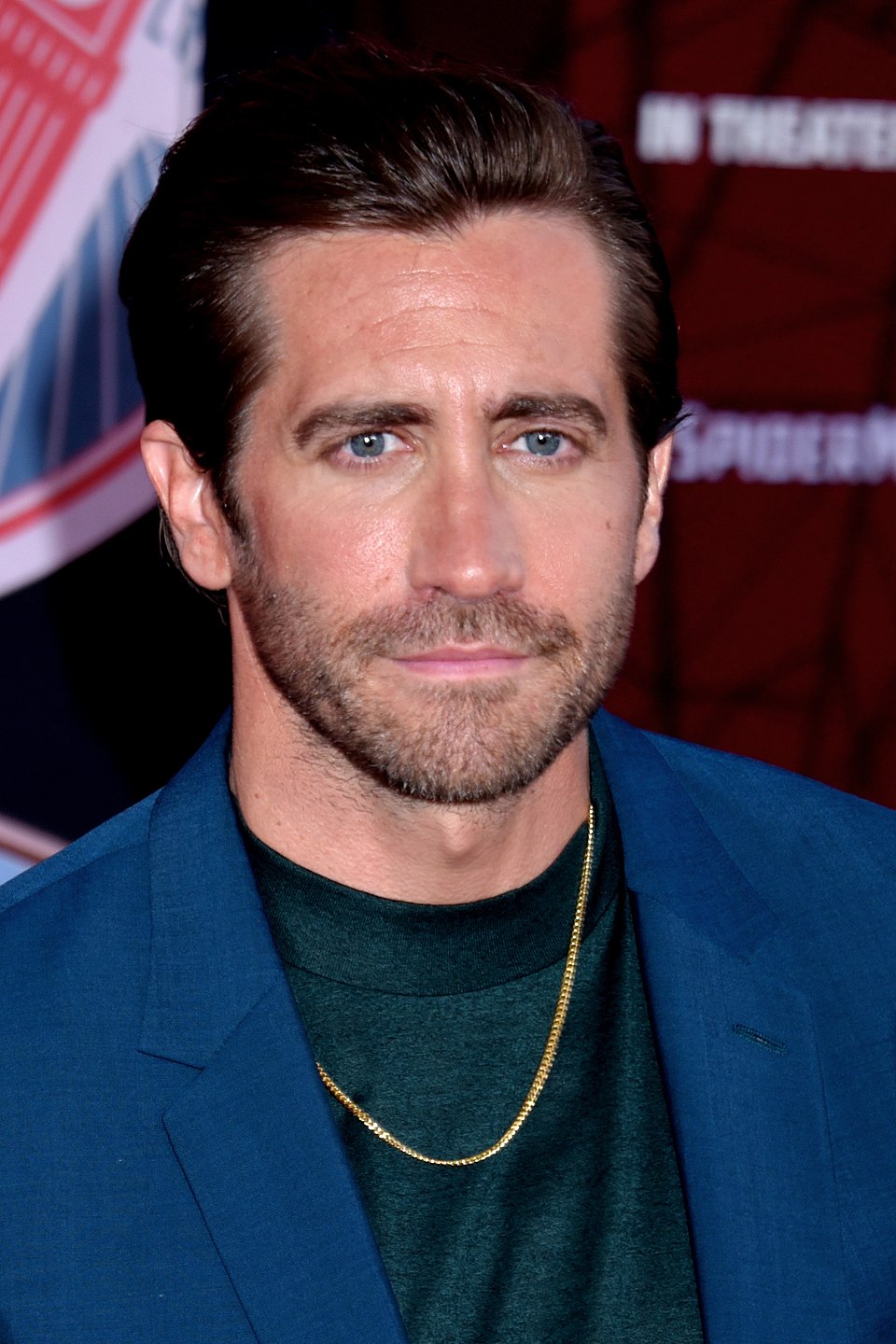
Jake Gyllenhaal
Jacob Benjamin Gyllenhaal is an American actor whose career on screen and stage has spanned more than three decades. Born into the Gyllenhaal family, he is the son of film director Stephen Gyllenhaal and screenwriter Naomi Foner, and the younger brother of actress Maggie Gyllenhaal.
Why Jake Gyllenhaal Appears in the Documents
Jake Gyllenhaal is mentioned in 6 documents within the Epstein file corpus, consisting of 5 articles, 1 email, originating from the House Oversight Committee.
These documents include titles such as "Oscars Weekend 2011: A Publicist's Diary", "Oscar Diary", "09-COVER STORY.01". Many of these appearances are in entertainment industry coverage and media articles that mention numerous public figures. Jake Gyllenhaal's inclusion in these documents reflects their public profile rather than any specific connection to Epstein.
Disclaimer: Appearing in the Epstein document corpus does not imply wrongdoing, guilt, or any form of association with criminal activity. Many public figures are mentioned incidentally in these documents due to the broad scope of the released materials.
Documents (6)
Oscars Weekend 2011: A Publicist's Diary
A seasoned publicist chronicles the fevered 2011 Oscar season, tracing the race between The King’s Speech and The Social Network from glamorous pre-award parties to the desperate, carefully orchestrated campaigns of Harvey Weinstein, Tom Hooper, and their rivals. Through insider anecdotes, fashion, and backstage strategy, the piece exposes how prestige, timing, and relentless momentum shape the outcome, culminating in The King’s Speech capturing Best Picture and Hooper clinching Best Director on a night of glamor, anxiety, and institutional theater.
Source: House Oversight Committee
Oscars Weekend 2011: A Publicist's Diary
A seasoned publicist chronicles the fevered 2011 Oscar season, tracing the race between The King’s Speech and The Social Network from glamorous pre-award parties to the desperate, carefully orchestrated campaigns of Harvey Weinstein, Tom Hooper, and their rivals. Through insider anecdotes, fashion, and backstage strategy, the piece exposes how prestige, timing, and relentless momentum shape the outcome, culminating in The King’s Speech capturing Best Picture and Hooper clinching Best Director on a night of glamor, anxiety, and institutional theater.
Source: House Oversight Committee
Oscar Diary
This insider’s Oscar diary follows a veteran publicist through the 2011 Academy Awards weekend, tracing the high-stakes, behind-the-scenes campaign between The King’s Speech and The Social Network amid a whirlwind of star-studded parties, fashion, and media frenzy. It culminates with The King’s Speech winning Best Picture and Tom Hooper taking Best Director, as the Hollywood power circle negotiates prestige, headlines, and the adrenaline of the awards season.
Source: House Oversight Committee
Oscar Diary
This insider’s Oscar diary follows a veteran publicist through the 2011 Academy Awards weekend, tracing the high-stakes, behind-the-scenes campaign between The King’s Speech and The Social Network amid a whirlwind of star-studded parties, fashion, and media frenzy. It culminates with The King’s Speech winning Best Picture and Tom Hooper taking Best Director, as the Hollywood power circle negotiates prestige, headlines, and the adrenaline of the awards season.
Source: House Oversight Committee
Oscar Diary
Stephanie’s Oscar diary offers an intimate, front‑row narrative of the 2011 awards season, charting the behind‑the‑scenes campaign between The King’s Speech and The Social Network, Harvey Weinstein’s relentless organizing, and a star‑studded crawl of pre‑ and post‑Oscar parties as Hollywood’s power players converge on the Kodak Theatre, culminating in The King’s Speech securing Best Picture and its champions grabbing the spotlight.
Source: House Oversight Committee
09-COVER STORY.01
This piece is a wry, insider’s diary of the 83rd Academy Awards weekend, tracing the race between The King’s Speech and The Social Network while chronicling the swirling world of pre- and post-Oscar parties, red-carpet maneuvers, and the publicity machine that can make or break a film. Through the eyes of Fran Lebowitz, it captures the glamour, gossip, and strategy—from Peggy Siegal’s Oscar-season theatrics to Harvey Weinstein’s tireless campaigning, to the fashion crises and luminous chaos of the Beverly Hills hotels and Vanity Fair soirees. It also situates the moment in a larger world of headlines and political undercurrents, showing how the glitz and grind of Hollywood intersect with real-world stakes. The result is a vivid, witty portrait of how one crown is won not just by art, but by audacity, access, and image.
Source: House Oversight Committee