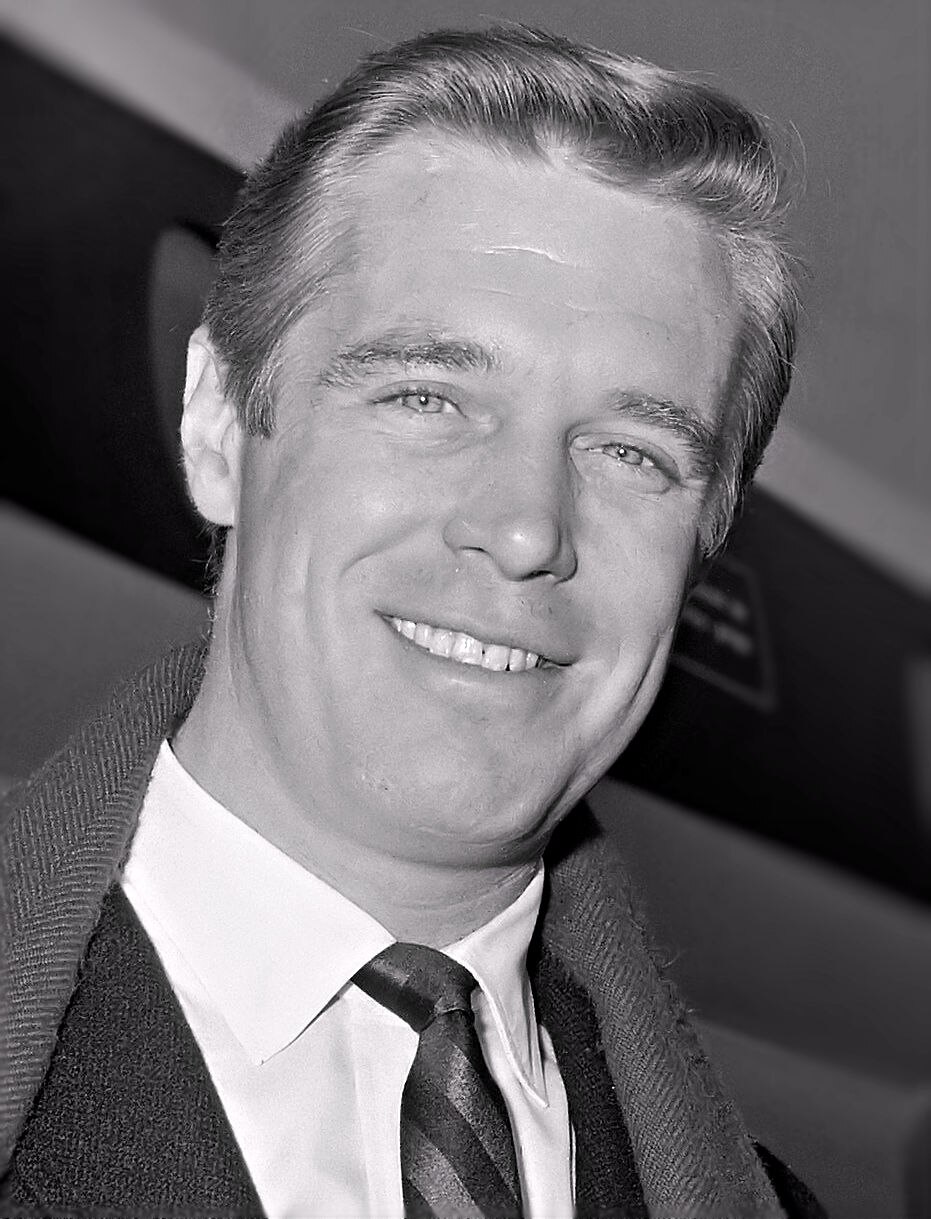
George Peppard
George Peppard was an American actor. He secured a major role as struggling writer Paul Varjak when he starred alongside Audrey Hepburn in Breakfast at Tiffany's (1961), and later portrayed a character based on Howard Hughes in The Carpetbaggers (1964).
Why George Peppard Appears in the Documents
George Peppard is mentioned in 15 documents within the Epstein file corpus, consisting of 15 articles, originating from the House Oversight Committee.
These documents include titles such as "Jeffrey Epstein: Wealth, Power and Private Worlds", "Jeffrey Epstein: A Profile of Wealth, Power, and Controversy", "Profile: Jeffrey Epstein and His Circle of Influence" among others. George Peppard's name appears across these documents in various contexts. The document corpus contains a wide range of materials including media coverage, government records, and legal proceedings where many public figures are mentioned.
Disclaimer: Appearing in the Epstein document corpus does not imply wrongdoing, guilt, or any form of association with criminal activity. Many public figures are mentioned incidentally in these documents due to the broad scope of the released materials.
Documents (15)
Jeffrey Epstein: Wealth, Power and Private Worlds
Jeffrey Epstein is portrayed as the centerpiece of a new, insular wealth order: a former math prodigy turned financier who rose on Wall Street to become a private banker and “wealth whisperer,” hosting a windowless, club-like dining room where billionaires, ministers, and tech titans gather for high-level briefings on money and power. The piece traces his life as a floating empire—multiple residences, a staff of companions, and a rare independence from traditional institutions—that allows him to influence global finance, philanthropy, and policy while largely eluding the usual safeguards of accountability. It also chronicles his legal shadow—the 2008 prostitution case, a tangle of lawsuits, and a media frenzy around his Clinton connections and private world—showing how wealth and privilege can bend law, media, and public opinion. Ultimately, the article casts Epstein as a Gatsby-like emblem of the era of hyper-wealth, power, and secrecy, a man whose forecasts and confidences some still seek out even as he embodies a paradox of disgrace and influence.
Source: House Oversight Committee
Jeffrey Epstein: Wealth, Power and Private Worlds
Jeffrey Epstein is portrayed as the centerpiece of a new, insular wealth order: a former math prodigy turned financier who rose on Wall Street to become a private banker and “wealth whisperer,” hosting a windowless, club-like dining room where billionaires, ministers, and tech titans gather for high-level briefings on money and power. The piece traces his life as a floating empire—multiple residences, a staff of companions, and a rare independence from traditional institutions—that allows him to influence global finance, philanthropy, and policy while largely eluding the usual safeguards of accountability. It also chronicles his legal shadow—the 2008 prostitution case, a tangle of lawsuits, and a media frenzy around his Clinton connections and private world—showing how wealth and privilege can bend law, media, and public opinion. Ultimately, the article casts Epstein as a Gatsby-like emblem of the era of hyper-wealth, power, and secrecy, a man whose forecasts and confidences some still seek out even as he embodies a paradox of disgrace and influence.
Source: House Oversight Committee
Jeffrey Epstein: A Profile of Wealth, Power, and Controversy
This Vanity Fair profile sketches Jeffrey Epstein as a quintessential icon of the era of hyper-wealth: a private, almost fortress-like conductor of influence who hosts a windowless Manhattan dining room where financiers, politicians, and scientists gather to dissect money, power, and the future. It traces his ascent from a Coney Island math prodigy to a discreet banker and “rich whisperer” with a global web of homes and holdings, whose extraordinary access to the ultra-wealthy persists even as he becomes the target of scandal—ties to Clinton, allegations of sex abuse, and high-stakes legal battles—laying bare the uneasy intersection of wealth, secrecy, and a media-driven pursuit of moral certainty.
Source: House Oversight Committee
Jeffrey Epstein: A Profile of Wealth, Power, and Controversy
This Vanity Fair profile sketches Jeffrey Epstein as a quintessential icon of the era of hyper-wealth: a private, almost fortress-like conductor of influence who hosts a windowless Manhattan dining room where financiers, politicians, and scientists gather to dissect money, power, and the future. It traces his ascent from a Coney Island math prodigy to a discreet banker and “rich whisperer” with a global web of homes and holdings, whose extraordinary access to the ultra-wealthy persists even as he becomes the target of scandal—ties to Clinton, allegations of sex abuse, and high-stakes legal battles—laying bare the uneasy intersection of wealth, secrecy, and a media-driven pursuit of moral certainty.
Source: House Oversight Committee
Profile: Jeffrey Epstein and His Circle of Influence
This profile portrays Jeffrey Epstein as a paradoxical, hyperwealthy figure who hosts a clubby, high‑level salon in his Upper East Side dining room where world leaders and tech titans—Bill Gates, Larry Summers, Peter Thiel, and others—debate philanthropy, science, geopolitics, and the future of money, while a staff of young women and a private world of privilege form a private ecosystem around him. It traces his rise from a Coney Island math prodigy and freelance financier with no institutional ties to a pivotal influencer who can marshal vast resources and elite access, even as he endures public scandal over sex offenses and the tabloid spotlight that followed. The piece suggests his independence and knack for navigating the desires of the powerful give him outsized influence in a world where wealth compounds and ideas travel fast, all while his circle defends him as an indispensable conduit to important conversations.
Source: House Oversight Committee
Jeffrey Epstein: Portrait of a Global Power Broker
An intimate portrait of Jeffrey Epstein as the elusive fulcrum of a new global wealth order: a private, windowless dining room in his vast Manhattan mansion where he tutors and brokers access for the ultra-rich, a man whose intellect, secrecy, and charisma propelled him from Coney Island to the apexes of finance and power while remaining unanchored by institutions. The narrative traces his ascent, his intimate circle of powerful visitors—including Clinton, Gates, and other dignitaries—and his paradoxical blend of influence and notoriety, even as a sex-offender label and a web of high-stakes lawsuits threaten to unravel him. It probes the collision of wealth, media, and law in the age of the “new establishment,” asking whether Epstein’s world can ever be redeemed or will endure as a cautionary emblem of power run amok.
Source: House Oversight Committee
Jeffrey Epstein: Portrait of a Global Power Broker
An intimate portrait of Jeffrey Epstein as the elusive fulcrum of a new global wealth order: a private, windowless dining room in his vast Manhattan mansion where he tutors and brokers access for the ultra-rich, a man whose intellect, secrecy, and charisma propelled him from Coney Island to the apexes of finance and power while remaining unanchored by institutions. The narrative traces his ascent, his intimate circle of powerful visitors—including Clinton, Gates, and other dignitaries—and his paradoxical blend of influence and notoriety, even as a sex-offender label and a web of high-stakes lawsuits threaten to unravel him. It probes the collision of wealth, media, and law in the age of the “new establishment,” asking whether Epstein’s world can ever be redeemed or will endure as a cautionary emblem of power run amok.
Source: House Oversight Committee
Inside Jeffrey Epstein’s Dining Room: Wealth, Power, and the Private World of the Hyper-Wealthy
Jeffrey Epstein is presented not merely as a scandal-plagued financier but as a sovereign of a new, immensely powerful wealth caste, hosting a perpetual economics seminar in his vast windowless Manhattan dining room for billionaires, ministers, and heads of state who, by gathering around him, help shape the questions of how money should be managed and given away in a world where the rich increasingly act as de facto policymakers. The piece traces his ascent from a math prodigy to a “higher sort of banker or guru,” detailing his intimate staff, multiple residences, and transcontinental access, along with his controversial ties to Bill Clinton, Bill Gates, Alan Dershowitz, and Prince Andrew, all while a relentless media and legal storm tests his ability to remain unbowed. It culminates in the Palm Beach sex-prostitution investigations and a sprawling web of lawsuits and settlements, illustrating the paradox of a man who wields extraordinary influence yet remains outside traditional institutional bounds. The narrative frames Epstein as a symbol of the allure and danger of the modern establishment: a Gatsby-esque figure whose power rests inside a fortress of secrecy, continually scrutinized by reporters, prosecutors, and a public hungry for certainty about wealth, privilege, and accountability.
Source: House Oversight Committee
Inside Jeffrey Epstein’s Dining Room: Wealth, Power, and the Private World of the Hyper-Wealthy
Jeffrey Epstein is presented not merely as a scandal-plagued financier but as a sovereign of a new, immensely powerful wealth caste, hosting a perpetual economics seminar in his vast windowless Manhattan dining room for billionaires, ministers, and heads of state who, by gathering around him, help shape the questions of how money should be managed and given away in a world where the rich increasingly act as de facto policymakers. The piece traces his ascent from a math prodigy to a “higher sort of banker or guru,” detailing his intimate staff, multiple residences, and transcontinental access, along with his controversial ties to Bill Clinton, Bill Gates, Alan Dershowitz, and Prince Andrew, all while a relentless media and legal storm tests his ability to remain unbowed. It culminates in the Palm Beach sex-prostitution investigations and a sprawling web of lawsuits and settlements, illustrating the paradox of a man who wields extraordinary influence yet remains outside traditional institutional bounds. The narrative frames Epstein as a symbol of the allure and danger of the modern establishment: a Gatsby-esque figure whose power rests inside a fortress of secrecy, continually scrutinized by reporters, prosecutors, and a public hungry for certainty about wealth, privilege, and accountability.
Source: House Oversight Committee
Inside Jeffrey Epstein's Dining Room
This essay offers an inside, panoramic portrait of Jeffrey Epstein as the quintessential figure in the late-20th-century wealth revolution: a reclusive, windowed-off powerhouse who hosts a rotating salon of billionaires, ministers, and tech moguls in a vast Manhattan dining room to debate “hyper wealth,” while quietly proliferating a private world of luxury residences, staff, and romantic liaisons that echo a Rococo philanthropy turned power broker business. It traces his unlikely ascent from a Coney Island math prodigy to a Wall Street innovator who argues that the super-rich must move beyond traditional philanthropy to reshape global finance and policy, all the while maintaining a controversial, media-fueled mystique. The piece also lays bare Epstein’s entangled public life and legal peril—from a 2008 prostitution-related plea deal and subsequent civil suits to the ongoing clamor around his associations with Bill Clinton, Bill Gates, Prince Andrew, and other luminaries—showing how wealth, secrecy, and influence have created a parallel world where disgrace is navigated as strategic capital.
Source: House Oversight Committee
Jeffrey Epstein: Inside the Dining Room of the Rich and Powerful
Vanity Fair portrays Jeffrey Epstein as a enigmatic, super‑rich power broker who operates a vast, nearly hermetic world centered around a private dining room where billionaires, ministers, and former heads of state convene to discuss how wealth should shape global politics, philanthropy, and even science. The piece traces his rise from a math prodigy in Coney Island to a freelancer financier who built intimate, clubby networks that transcend traditional institutions, even as he faced a criminal conviction and remains a controversial figure in the public imagination. His circle—Gates, Clinton, Dershowitz, Prince Andrew, Summers, and others—treat him as an indispensable confidant and information broker, capable of steering massive giving projects and insider knowledge, while the tabloid and legal worlds keep scrutinizing his past. Across it all, Epstein emerges as a paradox: a brash, charming icon of the hyper‑wealth era who profits from—and fonts the very sense of unfiltered power that the powerful both crave and fear.
Source: House Oversight Committee
Jeffrey Epstein: Inside the Dining Room of the Rich and Powerful
Vanity Fair portrays Jeffrey Epstein as a enigmatic, super‑rich power broker who operates a vast, nearly hermetic world centered around a private dining room where billionaires, ministers, and former heads of state convene to discuss how wealth should shape global politics, philanthropy, and even science. The piece traces his rise from a math prodigy in Coney Island to a freelancer financier who built intimate, clubby networks that transcend traditional institutions, even as he faced a criminal conviction and remains a controversial figure in the public imagination. His circle—Gates, Clinton, Dershowitz, Prince Andrew, Summers, and others—treat him as an indispensable confidant and information broker, capable of steering massive giving projects and insider knowledge, while the tabloid and legal worlds keep scrutinizing his past. Across it all, Epstein emerges as a paradox: a brash, charming icon of the hyper‑wealth era who profits from—and fonts the very sense of unfiltered power that the powerful both crave and fear.
Source: House Oversight Committee
Inside Jeffrey Epstein's Dining Room: A Vanity Fair Profile
An intimate profile of Jeffrey Epstein, a self-made financier who hosts a hermetic, high-powered dining room where billionaires, politicians, and tech titans mull the future of money and power; the piece traces his ascent from a Brooklyn math prodigy to an influential private advisor with no institutional ties, his controversial 2008 plea and ongoing scandal, and the way wealth, secrecy, and prestige sustain a shadow world that even his critics largely tolerate.
Source: House Oversight Committee
Profile: Jeffrey Epstein and the World of Wealth
This exhaustive profile of Jeffrey Epstein opens a window into his sprawling Manhattan estate and its windowless dining room, where the globe’s wealthiest and most powerful—from Bill Gates and Larry Summers to former heads of state—converge for tightly focused, often private conversations about wealth, influence, and world affairs. It charts Epstein’s improbable rise from a Brooklyn math teacher to a freelance financier whose lack of institutional ties makes him an indispensable “independent information broker” for the super-rich, even as his private life and sex-offense history trigger ongoing scandal and public fascination. The piece asks how disgrace can coexist with extraordinary access, suggesting Epstein’s true power lies in the confidential network he sustains—a club where money, ideas, and leverage flow in a world apart from ordinary society.
Source: House Oversight Committee
Profile: Jeffrey Epstein and the World of Wealth
This exhaustive profile of Jeffrey Epstein opens a window into his sprawling Manhattan estate and its windowless dining room, where the globe’s wealthiest and most powerful—from Bill Gates and Larry Summers to former heads of state—converge for tightly focused, often private conversations about wealth, influence, and world affairs. It charts Epstein’s improbable rise from a Brooklyn math teacher to a freelance financier whose lack of institutional ties makes him an indispensable “independent information broker” for the super-rich, even as his private life and sex-offense history trigger ongoing scandal and public fascination. The piece asks how disgrace can coexist with extraordinary access, suggesting Epstein’s true power lies in the confidential network he sustains—a club where money, ideas, and leverage flow in a world apart from ordinary society.
Source: House Oversight Committee