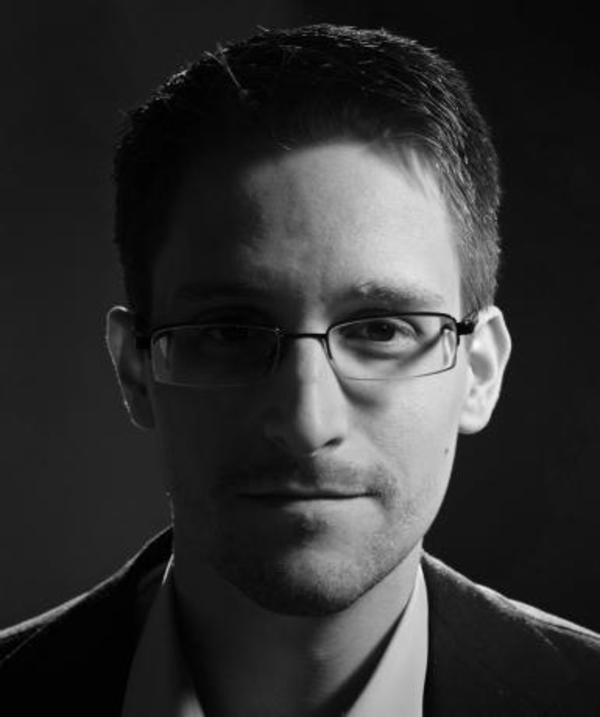
Edward Snowden
Edward Joseph Snowden is an American former intelligence contractor who in 2013 leaked highly classified NSA surveillance programs to journalists, sparking a global debate about government surveillance, privacy, and civil liberties.
Why Edward Snowden Appears in the Documents
Edward Snowden is mentioned in 501 documents within the Epstein file corpus, consisting of 463 articles, 12 books, 7 datas, 5 book_chapters, 3 emails, 2 chapters, 2 interviews, 1 analysis, 1 biography, 1 book chapter, 1 book_outline, 1 legal, 1 table of contents, 1 timeline, originating from the House Oversight Committee.
These documents include titles such as "Microsoft Word - Wall Street Journal.docx", "Polities and law: Analysis of Russian interference in the 2016 U.S. elections", "Epst_9780451494566_2p_all_r1.z.indd". Edward Snowden's name appears across these documents in various contexts. The document corpus contains a wide range of materials including media coverage, government records, and legal proceedings where many public figures are mentioned.
Disclaimer: Appearing in the Epstein document corpus does not imply wrongdoing, guilt, or any form of association with criminal activity. Many public figures are mentioned incidentally in these documents due to the broad scope of the released materials.
Documents (50)
Microsoft Word - Wall Street Journal.docx
Edward Jay Epstein argues that Edward Snowden’s “whistleblower” narrative is largely false: Snowden stole about 1.5 million NSA documents—far more than he acknowledged—and used his Hong Kong meetings with Laura Poitras and Glenn Greenwald to leak key materials such as the Verizon order and the Prism presentation, while secretly retaining other sensitive data and aiming at targets abroad. The piece shows that Snowden fled Hawaii for Hong Kong and then Moscow with Russian help, after the U.S. revoked his passport, with Putin’s authorization and the airport facilitation by Aeroflot, and that he has remained in contact with Russian intelligence since his arrival, contrary to his assertions of isolation. WikiLeaks is depicted as providing a smokescreen, and Kremlin insiders confirm that Snowden did bring material to Moscow and did not destroy it all. The article concludes that Snowden became an espionage source for Russia, not merely a conscientious whistleblower, a thesis Epstein expands upon in his forthcoming book.
Source: House Oversight Committee
Microsoft Word - Wall Street Journal.docx
Edward Jay Epstein argues that Edward Snowden’s “whistleblower” narrative is largely false: Snowden stole about 1.5 million NSA documents—far more than he acknowledged—and used his Hong Kong meetings with Laura Poitras and Glenn Greenwald to leak key materials such as the Verizon order and the Prism presentation, while secretly retaining other sensitive data and aiming at targets abroad. The piece shows that Snowden fled Hawaii for Hong Kong and then Moscow with Russian help, after the U.S. revoked his passport, with Putin’s authorization and the airport facilitation by Aeroflot, and that he has remained in contact with Russian intelligence since his arrival, contrary to his assertions of isolation. WikiLeaks is depicted as providing a smokescreen, and Kremlin insiders confirm that Snowden did bring material to Moscow and did not destroy it all. The article concludes that Snowden became an espionage source for Russia, not merely a conscientious whistleblower, a thesis Epstein expands upon in his forthcoming book.
Source: House Oversight Committee
Microsoft Word - Wall Street Journal.docx
Edward Jay Epstein argues that Edward Snowden’s “whistleblower” narrative is largely false: Snowden stole about 1.5 million NSA documents—far more than he acknowledged—and used his Hong Kong meetings with Laura Poitras and Glenn Greenwald to leak key materials such as the Verizon order and the Prism presentation, while secretly retaining other sensitive data and aiming at targets abroad. The piece shows that Snowden fled Hawaii for Hong Kong and then Moscow with Russian help, after the U.S. revoked his passport, with Putin’s authorization and the airport facilitation by Aeroflot, and that he has remained in contact with Russian intelligence since his arrival, contrary to his assertions of isolation. WikiLeaks is depicted as providing a smokescreen, and Kremlin insiders confirm that Snowden did bring material to Moscow and did not destroy it all. The article concludes that Snowden became an espionage source for Russia, not merely a conscientious whistleblower, a thesis Epstein expands upon in his forthcoming book.
Source: House Oversight Committee
Microsoft Word - Wall Street Journal.docx
Edward Jay Epstein argues that Edward Snowden’s “whistleblower” narrative is largely false: Snowden stole about 1.5 million NSA documents—far more than he acknowledged—and used his Hong Kong meetings with Laura Poitras and Glenn Greenwald to leak key materials such as the Verizon order and the Prism presentation, while secretly retaining other sensitive data and aiming at targets abroad. The piece shows that Snowden fled Hawaii for Hong Kong and then Moscow with Russian help, after the U.S. revoked his passport, with Putin’s authorization and the airport facilitation by Aeroflot, and that he has remained in contact with Russian intelligence since his arrival, contrary to his assertions of isolation. WikiLeaks is depicted as providing a smokescreen, and Kremlin insiders confirm that Snowden did bring material to Moscow and did not destroy it all. The article concludes that Snowden became an espionage source for Russia, not merely a conscientious whistleblower, a thesis Epstein expands upon in his forthcoming book.
Source: House Oversight Committee
Microsoft Word - Wall Street Journal.docx
Edward Jay Epstein argues that Edward Snowden’s “whistleblower” narrative is largely false: Snowden stole about 1.5 million NSA documents—far more than he acknowledged—and used his Hong Kong meetings with Laura Poitras and Glenn Greenwald to leak key materials such as the Verizon order and the Prism presentation, while secretly retaining other sensitive data and aiming at targets abroad. The piece shows that Snowden fled Hawaii for Hong Kong and then Moscow with Russian help, after the U.S. revoked his passport, with Putin’s authorization and the airport facilitation by Aeroflot, and that he has remained in contact with Russian intelligence since his arrival, contrary to his assertions of isolation. WikiLeaks is depicted as providing a smokescreen, and Kremlin insiders confirm that Snowden did bring material to Moscow and did not destroy it all. The article concludes that Snowden became an espionage source for Russia, not merely a conscientious whistleblower, a thesis Epstein expands upon in his forthcoming book.
Source: House Oversight Committee
Polities and law: Analysis of Russian interference in the 2016 U.S. elections
Edward Jay Epstein argues that the 2016 presidential race was shaped by three disclosure operations likely orchestrated by Russian intelligence and leaked through intermediaries: the Trump dossier produced by Fusion GPS and Orbis (Steele) to major outlets; the release of DNC emails attributed to the Kremlin via DC Leaks; and a Veselnitskaya meeting in which Russia allegedly offered dirt on Hillary Clinton. He suggests the material may have been curated with FSB involvement and highlights how monitored channels, including Kislyak’s open line, exposed Trump associates and fueled distrust in U.S. institutions. While the intelligence community framed Putin’s aim as hurting Clinton and helping Trump, Epstein argues the Kremlin’s broader objective was to undermine confidence in American democracy and U.S. standing, using disclosures as a strategic tool.
Source: House Oversight Committee
Polities and law: Analysis of Russian interference in the 2016 U.S. elections
Edward Jay Epstein argues that the 2016 presidential race was shaped by three disclosure operations likely orchestrated by Russian intelligence and leaked through intermediaries: the Trump dossier produced by Fusion GPS and Orbis (Steele) to major outlets; the release of DNC emails attributed to the Kremlin via DC Leaks; and a Veselnitskaya meeting in which Russia allegedly offered dirt on Hillary Clinton. He suggests the material may have been curated with FSB involvement and highlights how monitored channels, including Kislyak’s open line, exposed Trump associates and fueled distrust in U.S. institutions. While the intelligence community framed Putin’s aim as hurting Clinton and helping Trump, Epstein argues the Kremlin’s broader objective was to undermine confidence in American democracy and U.S. standing, using disclosures as a strategic tool.
Source: House Oversight Committee
Epst_9780451494566_2p_all_r1.z.indd
Source: House Oversight Committee
Epst_9780451494566_2p_all_r1.z.indd
Source: House Oversight Committee
Epst_9780451494566_2p_all_r1.z.indd
Source: House Oversight Committee
Epst_9780451494566_2p_all_r1.z.indd
Source: House Oversight Committee
Epst_9780451494566_2p_all_r1.z.indd
Source: House Oversight Committee
Epst_9780451494566_2p_all_r1.z.indd
Source: House Oversight Committee
Epst_9780451494566_2p_all_r1.z.indd
Source: House Oversight Committee
Epst_9780451494566_2p_all_r1.z.indd
Source: House Oversight Committee
Epst_9780451494566_2p_all_r1.z.indd
Source: House Oversight Committee
Epst_9780451494566_2p_all_r1.z.indd
Source: House Oversight Committee
Epst_9780451494566_2p_all_r1.z.indd
Source: House Oversight Committee
Epst_9780451494566_2p_all_r1.z.indd
Source: House Oversight Committee
Epst_9780451494566_2p_all_r1.z.indd
Source: House Oversight Committee
Epst_9780451494566_2p_all_r1.z.indd
Source: House Oversight Committee
Epst_9780451494566_2p_all_r1.z.indd
Source: House Oversight Committee
Epst_9780451494566_2p_all_r1.z.indd
Source: House Oversight Committee
Epst_9780451494566_2p_all_r1.z.indd
Source: House Oversight Committee
Epst_9780451494566_2p_all_r1.z.indd
Source: House Oversight Committee
Epst_9780451494566_2p_all_r1.z.indd
Source: House Oversight Committee
Epst_9780451494566_2p_all_r1.z.indd
Source: House Oversight Committee
Epst_9780451494566_2p_all_r1.z.indd
Source: House Oversight Committee
Epst_9780451494566_2p_all_r1.z.indd
Source: House Oversight Committee
Epst_9780451494566_2p_all_r1.z.indd
Source: House Oversight Committee
Epst_9780451494566_2p_all_r1.z.indd
Source: House Oversight Committee
Epst_9780451494566_2p_all_r1.z.indd
Source: House Oversight Committee
Epst_9780451494566_2p_all_r1.z.indd
Source: House Oversight Committee
Epst_9780451494566_2p_all_r1.z.indd
Source: House Oversight Committee
Epst_9780451494566_2p_all_r1.z.indd
Source: House Oversight Committee
Epst_9780451494566_2p_all_r1.z.indd
Source: House Oversight Committee
Epst_9780451494566_2p_all_r1.z.indd
Source: House Oversight Committee
Epst_9780451494566_2p_all_r1.z.indd
Source: House Oversight Committee
Epst_9780451494566_2p_all_r1.z.indd
Source: House Oversight Committee
Epst_9780451494566_2p_all_r1.z.indd
Source: House Oversight Committee
Epst_9780451494566_2p_all_r1.z.indd
Source: House Oversight Committee
Epst_9780451494566_2p_all_r1.z.indd
Source: House Oversight Committee
Epst_9780451494566_2p_all_r1.z.indd
Source: House Oversight Committee
Epst_9780451494566_2p_all_r1.z.indd
Source: House Oversight Committee
Epst_9780451494566_2p_all_r1.z.indd
Source: House Oversight Committee
Epst_9780451494566_2p_all_r1.z.indd
Source: House Oversight Committee
Epst_9780451494566_2p_all_r1.z.indd
Source: House Oversight Committee
Epst_9780451494566_2p_all_r1.z.indd
Source: House Oversight Committee
Epst_9780451494566_2p_all_r1.z.indd
Source: House Oversight Committee
Epst_9780451494566_2p_all_r1.z.indd
Source: House Oversight Committee