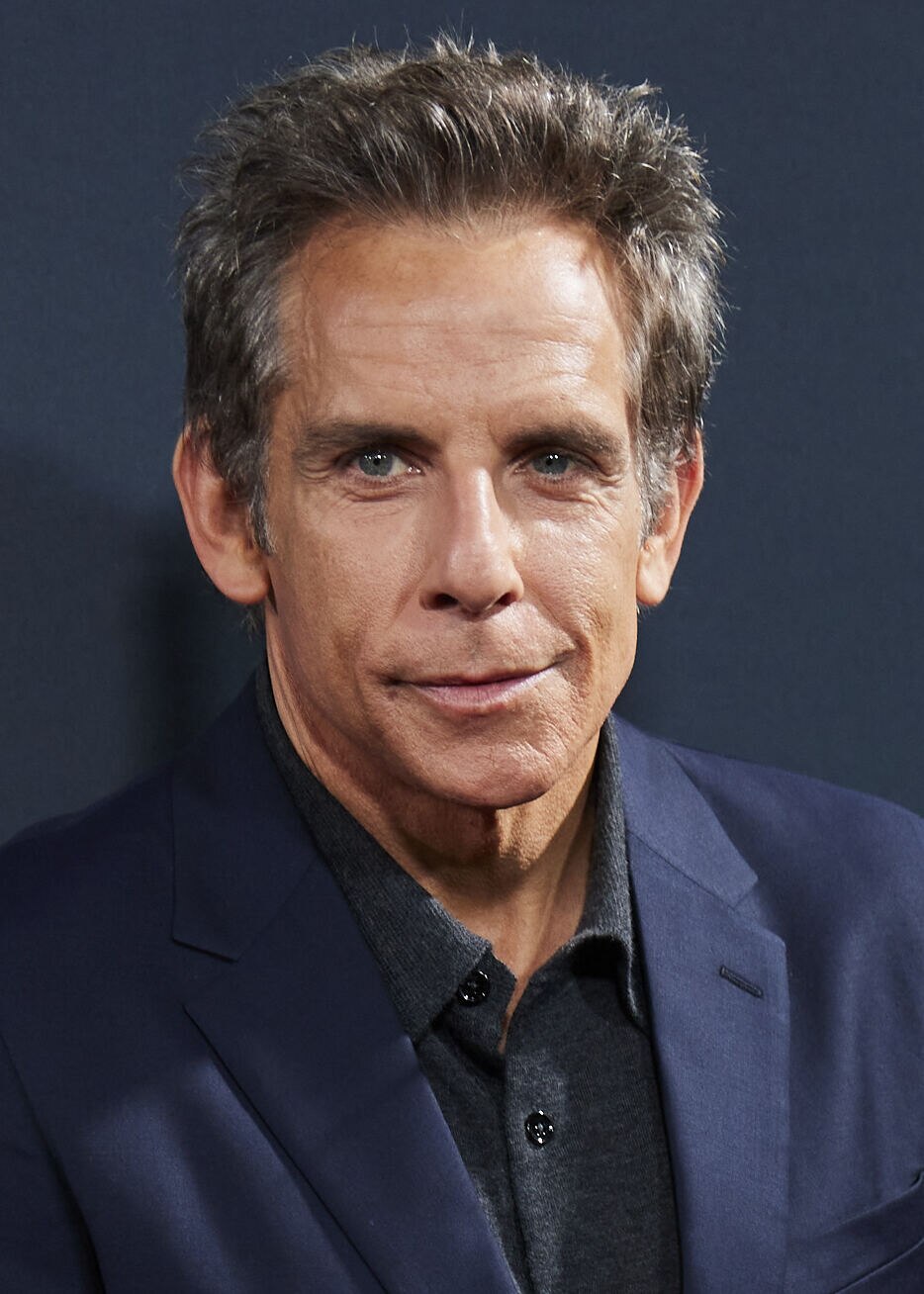
Ben Stiller
Benjamin Edward Meara Stiller is an American actor, comedian, and filmmaker. Known for his blend of slapstick humor and sharp wit, Stiller rose to fame through comedies such as There's Something About Mary (1998), Zoolander (2001), and Tropic Thunder (2008).
Why Ben Stiller Appears in the Documents
Ben Stiller is mentioned in 8 documents within the Epstein file corpus, consisting of 7 articles, 1 email, originating from the House Oversight Committee.
These documents include titles such as "Vive L’Oscars: Peggy Siegal's Oscar Diary", "Oscars 2011: A Personal Chronicle of the Oscar Season and Parties", "Oscars Weekend 2011: A Publicist's Diary" among others. Many of these appearances are in entertainment industry coverage and media articles that mention numerous public figures. Ben Stiller's inclusion in these documents reflects their public profile rather than any specific connection to Epstein.
Disclaimer: Appearing in the Epstein document corpus does not imply wrongdoing, guilt, or any form of association with criminal activity. Many public figures are mentioned incidentally in these documents due to the broad scope of the released materials.
Documents (8)
Vive L’Oscars: Peggy Siegal's Oscar Diary
Peggy Siegal’s exclusive Oscar diary offers a behind-the-scenes, celebrity-packed chronicle of the 2011–2012 Oscar season, tracing how nine Best Picture contenders—led by The Artist, The Tree of Life, The Help, Moneyball, The Descendants, Hugo, War Horse, Extremely Loud & Incredibly Close, and The Ides of March—moved from Cannes into a year of campaigns, glamorous pre‑Oscars parties, fashion moments, and studio strategizing, with sharp, intimate observations from Woody Allen’s abstention to Uggie’s rise and George Clooney’s dual life as actor and humanitarian.
Source: House Oversight Committee
Oscars 2011: A Personal Chronicle of the Oscar Season and Parties
This insider diary chronicles the 2011 Oscar season from Cannes to the ceremony, tracing how nine films—led by The Artist, The Help, and The Descendants—built campaigns, buzz, and cross-country premieres while a glamorous whirl of parties, press rooms, and red carpets shaped the race for Best Picture, Director, Actor, and Actress. It threads through the social machinery of Hollywood, spotlighting the rivalries and alliances among stars, producers, and power brokers at exclusive gatherings, where fashion, sentiment, and whispered predictions mattered as much as films themselves; it features Woody Allen’s Midnight in Paris, Terrence Malick’s The Tree of Life, and the larger-than-life push around Meryl Streep vs. Viola Davis, George Clooney, Brad Pitt, and a canine superstar, Uggie, who became a cultural moment. The narrative crescendos with The Artist’s historic sweep—the first silent Best Picture winner since 1927—with Harvey Weinstein’s orchestration, Michel Hazanavicius’s triumph, and Uggie’s star turn, before closing on the glow and the reminder that the magic of Oscar night is unforgettable, even as life returns to reality.
Source: House Oversight Committee
Oscars Weekend 2011: A Publicist's Diary
A seasoned publicist chronicles the fevered 2011 Oscar season, tracing the race between The King’s Speech and The Social Network from glamorous pre-award parties to the desperate, carefully orchestrated campaigns of Harvey Weinstein, Tom Hooper, and their rivals. Through insider anecdotes, fashion, and backstage strategy, the piece exposes how prestige, timing, and relentless momentum shape the outcome, culminating in The King’s Speech capturing Best Picture and Hooper clinching Best Director on a night of glamor, anxiety, and institutional theater.
Source: House Oversight Committee
Oscars Weekend 2011: A Publicist's Diary
A seasoned publicist chronicles the fevered 2011 Oscar season, tracing the race between The King’s Speech and The Social Network from glamorous pre-award parties to the desperate, carefully orchestrated campaigns of Harvey Weinstein, Tom Hooper, and their rivals. Through insider anecdotes, fashion, and backstage strategy, the piece exposes how prestige, timing, and relentless momentum shape the outcome, culminating in The King’s Speech capturing Best Picture and Hooper clinching Best Director on a night of glamor, anxiety, and institutional theater.
Source: House Oversight Committee
Oscar Diary
This insider’s Oscar diary follows a veteran publicist through the 2011 Academy Awards weekend, tracing the high-stakes, behind-the-scenes campaign between The King’s Speech and The Social Network amid a whirlwind of star-studded parties, fashion, and media frenzy. It culminates with The King’s Speech winning Best Picture and Tom Hooper taking Best Director, as the Hollywood power circle negotiates prestige, headlines, and the adrenaline of the awards season.
Source: House Oversight Committee
Oscar Diary
Stephanie’s Oscar diary offers an intimate, front‑row narrative of the 2011 awards season, charting the behind‑the‑scenes campaign between The King’s Speech and The Social Network, Harvey Weinstein’s relentless organizing, and a star‑studded crawl of pre‑ and post‑Oscar parties as Hollywood’s power players converge on the Kodak Theatre, culminating in The King’s Speech securing Best Picture and its champions grabbing the spotlight.
Source: House Oversight Committee
Oscar Diary
Stephanie’s Oscar diary offers an intimate, front‑row narrative of the 2011 awards season, charting the behind‑the‑scenes campaign between The King’s Speech and The Social Network, Harvey Weinstein’s relentless organizing, and a star‑studded crawl of pre‑ and post‑Oscar parties as Hollywood’s power players converge on the Kodak Theatre, culminating in The King’s Speech securing Best Picture and its champions grabbing the spotlight.
Source: House Oversight Committee
09-COVER STORY.01
This piece is a wry, insider’s diary of the 83rd Academy Awards weekend, tracing the race between The King’s Speech and The Social Network while chronicling the swirling world of pre- and post-Oscar parties, red-carpet maneuvers, and the publicity machine that can make or break a film. Through the eyes of Fran Lebowitz, it captures the glamour, gossip, and strategy—from Peggy Siegal’s Oscar-season theatrics to Harvey Weinstein’s tireless campaigning, to the fashion crises and luminous chaos of the Beverly Hills hotels and Vanity Fair soirees. It also situates the moment in a larger world of headlines and political undercurrents, showing how the glitz and grind of Hollywood intersect with real-world stakes. The result is a vivid, witty portrait of how one crown is won not just by art, but by audacity, access, and image.
Source: House Oversight Committee